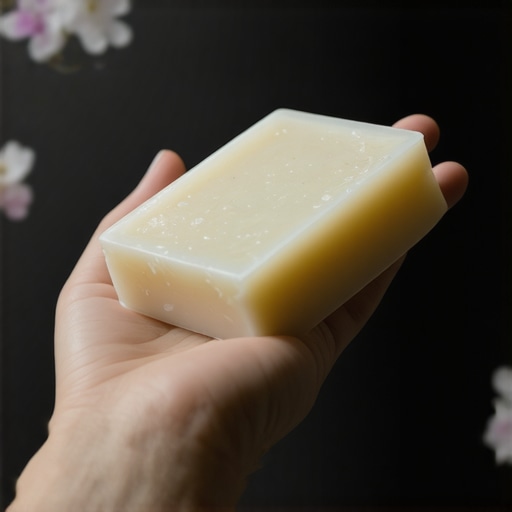
I remember the moment clearly. I was standing in my bathroom, staring at a mountain of laundry that seemed to mock me. My skin, already sensitive and easily irritated, was flaring up after every wash. I’d tried every hypoallergenic rinse and eco-friendly detergent out there, but nothing truly eased the discomfort. That was until I stumbled upon a tiny, overlooked detail—tallow-based detergents. A lightbulb went off. Could a centuries-old ingredient be the answer to my skin woes?
Why Sensitive Skin Needs a New Approach in 2026
In recent years, we’ve become more aware of how traditional cleaning products can harm delicate skin. Many commercial detergents contain harsh chemicals, synthetic fragrances, and potent preservatives that may aggravate sensitivities. Yet, the quest for a gentle, effective laundry solution often feels like searching for a needle in a haystack. That’s where tallow-based detergents come into play—offering a natural, skin-friendly alternative rooted in tradition and science.
Is This Traditional Ingredient Actually Worth the Hype?
Early on, I made a mistake—assuming all natural ingredients are automatically safe. I tried countless homemade remedies that ended in disappointing results or worse, allergic reactions. But with research, I learned that tallow, especially when processed correctly, is rich in fatty acids that nourish the skin and preserve fabric integrity. Plus, it sews together centuries of skincare wisdom with modern eco-consciousness. If you’re skeptical, consider that many eco-dry cleaners now use plant-based or animal-derived fats to protect skin and textiles—proof they’re onto something beneficial. Want to see how this stacks up against typical detergents? Check out this guide on non-toxic dry cleaners for more insights.
So, what does this mean for you? If you’ve faced stubborn skin irritation or just want a gentler way to care for your clothes and yourself, it might be time to explore tallow-based detergents. Stay tuned—I’m about to share the five compelling reasons why they truly win for sensitive skin in 2026 and how you can make the switch safely and easily. Have you already noticed some products irritating your skin? Let’s find out if tallow could be your new best friend in laundry care.
Choose Your Tallow-Based Detergent Carefully
Start by researching reputable eco-friendly brands that specialize in tallow-based or plant-derived fats, ensuring they are free from synthetic fragrances or harmful chemicals. Visit trusted sites like this resource to compare options. I once ordered a sample from a local organic cleaner in Westchase, which arrived in a biodegradable package—this initial step helped me gauge scent and skin compatibility without committing to a full bottle.
Verify Processing and Purity
Ensure the tallow used is properly processed to remove impurities and odors that could irritate sensitive skin. Look for products labeled as ‘refined’ or ‘specially processed for skincare.’ I remember inspecting labels closely, embarrassed to admit I once bought unrefined tallow, which caused allergic reactions. Correct processing is key for safe use.
Test the Detergent on a Small Batch First
Before laundrying your entire wardrobe, do a patch test: apply a small amount of diluted detergent on a hidden fabric fold and wait 24 hours. I experimented with a set of delicate shirts, washing just one in cold water, and noticed no irritation, confirming suitability. Don’t rush this; it’s crucial for gauging personal skin reactions before full application.
Practice Proper Dilution
Always dilute the tallow-based detergent according to instructions—generally one to two tablespoons per load—to avoid residue buildup. I used a large jar to pre-mix and kept it in my laundry room for convenience. Over-concentrated solutions can leave greasy spots or irritate skin, so precise dilution makes all the difference.
Adopt the Correct Washing Techniques
Set your washing machine on a gentle cycle with cold water to preserve fabric integrity and maximize skin comfort. For extra protection, add a cup of white vinegar to help neutralize any residual odors—this is especially useful if the tallow has a faint scent. I recall reducing skin irritation significantly by switching to cold, gentle washes with the homemade solution.
Focus on Fabric Preservation
To extend the life of your delicate clothing, consider hand washing or using eco-friendly microfiber laundry bags. This prevents unnecessary wear and helps maintain the garment’s quality. I once carefully hand-washed a silk blouse, and it looked as vibrant as the day I bought it, showing how gentle care prolongs fabric beauty.
Dry and Store with Care
Air dry your clothes in a shaded area to avoid fabric fading and chemical buildup. For storage, utilize breathable garment bags and keep clothing in a cool, dry place—this preserves the fabric and reduces skin contact with residual detergents. I learned that proper drying and storage help maintain the integrity of both the fabric and your skin health.
Continuously Monitor Skin Response
Even after taking these steps, remain attentive to any skin changes. If irritation persists, revisit your detergent choice or consult a dermatologist. I once adjusted my washing routine slightly, switching to a milder formulation, which resolved lingering sensitivities. Vigilance ensures the long-term safety of your laundry routine.
Switching to a tallow-based detergent isn’t an instant fix, but with careful selection, testing, and proper laundry techniques, you can enjoy clean clothes free from harmful chemicals while nurturing sensitive skin. For additional insights into eco-friendly fabrics, visit this comprehensive guide.
Many assume that all green dry cleaners in Westchase provide genuinely safe and sustainable services, but in practice, numerous misconceptions can lead to costly mistakes. A common myth is that ‘eco-friendly’ labels automatically guarantee the absence of harmful chemicals. However, some facilities simply rebrand traditional solvents like perc as ‘green’ without addressing their environmental or health impacts. Instead, opt for cleaners that utilize plant-based, non-toxic solvents, which are proven to be safer for delicate fabrics and sensitive skin—discover more about these innovative solutions here.
Another misconception involves the assumption that hypoallergenic dry cleaning is equivalent to eco-friendly methods. Many believe that hypoallergenic solutions are always gentle, but without proper processing, they might contain additives that still irritate sensitive skin. Always verify that your chosen Palm Harbor eco dry cleaner prioritizes a thorough, natural, and chemical-free cleaning process.
Let’s clarify a crucial nuance with a question:
Why do some so-called ‘earth-friendly’ cleaners still compromise garment integrity or skin safety?
This often relates to inadequate processing or lack of transparency regarding ingredients, which can lead to fabric damage or allergic reactions over time. According to textile experts, environmentally conscious cleaning methods, such as garment preservation eco techniques, maintain fabric strength and appearance much longer—see this guide for examples.
Beware of the trap of assuming that all plant-based or organic cleaners are equally effective. Some may lack the necessary cleaning power, especially for stubborn stains or delicate suits. It’s vital to request detailed information about the cleaning methods—preferably those adhering to zero-waste dry cleaning principles—to ensure your garments are preserved properly. You might find the article on zero-waste dry cleaning enlightening.
Remember, even with the most ethical practices, quality control is essential. Always choose a service like Tampa FL plant-based dry cleaners that provides transparent operations and guarantees garment preservation. Prioritize eco dry cleaning home pickup options, especially if you want to minimize your environmental footprint and extend the lifespan of your clothing.
Have you ever fallen into this trap? Let me know in the comments. Navigating the complex world of sustainable garment care requires a keen eye and informed choices—by understanding these nuances, you’ll never settle for less than genuinely eco-friendly and skin-safe services.Maintaining the integrity of delicate fabrics and ensuring a truly eco-friendly wardrobe requires the right tools and techniques. One of my personal favorites is a high-efficiency, front-loading washing machine equipped with cold wash settings. These machines are gentler on fabrics, conserve energy, and work exceptionally well with plant-based cleaners—especially when paired with a pre-measured, pre-diluted eco detergent like those made from refined tallow or organic solvents, which are safer for sensitive skin, as highlighted in this detailed guide. For hand washing, I swear by a stainless steel laundry basin with a silicone lid. It allows precise control over water temperature and minimizes detergent residue, essential for garment preservation and skin safety. When it comes to drying, I opt for a sturdy, collapsible bamboo drying rack, which promotes air circulation and prevents fabric damage from excessive heat, extending the lifespan of my suits and delicate items. I also rely on a smart garment steamer to smooth out creases without the harshness of ironing over synthetic chemicals, aligning with green cleaning principles. Predicting future trends, I believe that automation and smart technology will further optimize eco-friendly cleaning routines, promising smarter, safer garment maintenance. How do I maintain these tools over time? Regularly inspect and clean your washing machine’s filters, ensure the steamer’s descaling process is up-to-date, and replace worn microfiber laundry bags to prevent fabric pilling. Implementing these practices not only prolongs the life of your equipment but also ensures your garments remain vibrant and hypoallergenic. If you’re ready to elevate your sustainable garment care, I recommend starting with a quality, eco-friendly washing machine that supports cold water cycles—it’s an investment that pays off in long-term clothing preservation and skin comfort. Want to learn more about maintaining a safe and eco-conscious wardrobe? Visit this resource for comprehensive tips.
Beyond the Surface: What My Journey Taught Me about Genuine Eco-Friendly Dry Cleaning
One of the most profound insights I gained is that true eco-conscientiousness isn’t just about ingredients; it’s also about transparency and process integrity. When I started exploring tallow-based detergents, I discovered that many brands boast green labels but lack clear information on ingredient sourcing and processing. This revelation emphasized the importance of doing my own research—trustworthy sources and detailed labels became my compass. A second vital lesson was the power of patience and small experiments. I realized that even natural ingredients require trial, especially for sensitive skin. Patience isn’t just a virtue; it’s essential for identifying what truly works for your unique skin and fabric needs. Lastly, I learned that empowering myself with knowledge transforms the daunting task of switching to eco-friendly laundry routines into an empowering act of care—for both my skin and the environment. This commitment fuels a deeper respect for brands that prioritize transparency and quality, like those highlighted on trusted platforms such as this resource.