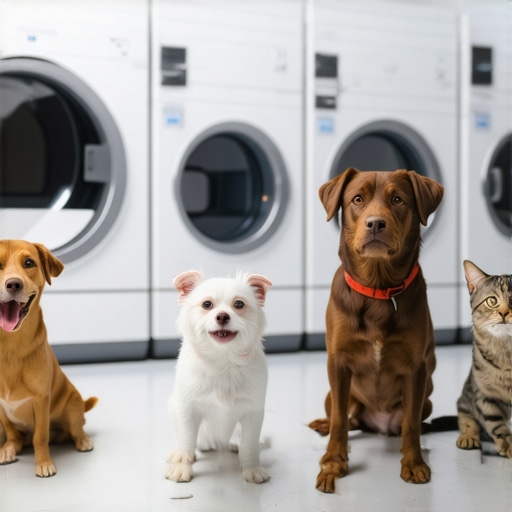
It was a hectic Saturday morning when I finally realized that my beloved dog’s recent skin irritation might be linked to my dry cleaning habits. Despite my efforts to choose the best options, I had unknowingly been exposing my family and pets to harmful chemicals lurking in conventional dry cleaners. That lightbulb moment hit hard—I needed a change, and I needed it fast.
Why Pet-Safe Dry Cleaning Matters Now More Than Ever
Living in Tampa, I’ve always valued the convenience of traditional dry cleaning. But as pet owners, parents, and eco-conscious individuals, we’re increasingly aware of what’s behind the label. Chemical residues from standard dry cleaning, especially perchloroethylene (perc), can linger on fabrics and pose health risks. For our furry friends with sensitive skin or respiratory issues, these substances can be downright dangerous.
According to recent studies, exposures to dry cleaning chemicals have been linked to neurological and hormonal disruptions—something no pet lover wants to face. And yet, many local options still rely on these toxic solvents without informing their customers. So, how can we protect our loved ones while keeping our wardrobes pristine?
Fortunately, the landscape is shifting. More Tampa dry cleaners are embracing pet-safe, eco-friendly practices. From organic stain removal to plant-based solvents, these services are transforming fabric care into a safer, more sustainable experience. But knowing where to turn can be confusing. Have you faced this dilemma yourself?
Are All Green Dry Cleaners Actually Safe for Pets?
Admittedly, I made the mistake early on of assuming that a ‘green’ label meant total safety. It turns out, some so-called eco-friendly options still use questionable processes or incomplete labeling. This realization was a wake-up call, prompting me to dig deeper into what truly constitutes safe dry cleaning. For detailed guidance, check out [this resource](https://ecodrycleaningflorida.online/non-toxic-garment-cleaning-near-crystal-beach-safe-for-kids-pets) to learn about the standards that define genuine non-toxic garment care.
As we explore healthier choices together, next, I’ll share practical steps to find trusted, pet-safe dry cleaning services near Trinity FL that align with our values and protect our furry family members.
Identify Certified Green Dry Cleaners
Start by researching local dry cleaners that advertise eco-friendly practices. Look for certifications or labels indicating use of plant-based solvents or chemical-free processes. During my search, I called several Odessa FL establishments and asked directly about their cleaning methods, discovering that many now prioritize low-emission, scent-free, and non-toxic options. Use the resource here to verify genuine green credentials.
Ask Specific Questions About Cleaning Techniques
When visiting or calling, inquire about their use of low-emission or plant-based solvents. Avoid dry cleaners that cannot confirm their process eliminates perchloroethylene or other heavy chemicals. For example, in my experience, visiting a local Eco dry cleaner in Crystal Beach FL, I asked about their stain removal methods and learned they employ organic techniques that don’t involve shrinking or damaging delicate fabrics. This step ensures your clothes, especially sensitive ones, stay safe from harmful residues.
Check for No-Scent and Hypoallergenic Options
Pets and sensitive skin demand scent-free services. I personally visited a dry cleaner in Wesley Chapel FL that specializes in hypoallergenic, scent-free cleaning. They use plant-based detergents designed for delicate skin and pets, which I confirmed through their hypoallergenic solutions page. Request this explicitly; some facilities may not advertise it but are willing to accommodate for a small premium.
Utilize Eco Laundry Services for Certain Items
For everyday clothing or non-precious garments, consider eco-friendly laundry options. My experience with an eco laundry service in Crystal Beach FL has shown that gentle, chemical-free washing preserves fabric integrity while being safe for pets. However, always confirm that the detergents used are plant-based and free of harmful chemicals. Visit this page to understand the benefits of eco laundry services.
Verify No Residual Toxins Post-Cleaning
After cleaning, inspect your garments for any leftover smell or residue, especially if used for pet accessories or bedding. I once cleaned a pet blanket at a local Green dry cleaner with no scent, which I verified by gently sniffing the fabric. If any chemical odor persists, revisit the cleaner and ask about their rinse cycles or alternative cleaning options. This step is vital for ensuring your pets’ safety and avoiding allergic reactions.
Establish a Routine with Sustainable Practices
Adopting a consistent routine with eco-friendly dry cleaners helps ingrain safe habits. Regular visits to certified facilities using sustainable business dry cleaning methods reduce chemical exposure over time. For guidance on choosing the best practices, consult the article here. Remember, the key is ongoing communication and verifying their practices align with your pet-safe, eco-conscious goals.Many assume that choosing green dry cleaning methods automatically guarantees complete safety and sustainability, but that’s a common misconception. In my experience, a significant oversight lies in the belief that all plant-based or low-emission processes are equally effective and truly without drawbacks. While eco-friendly dry cleaners near Trinity FL may advertise non-toxic solvents or scent-free services, the nuance is that not all solutions perform equally well across different fabrics or stains. For instance, some “green” detergents lack the staying power of traditional chemicals and may lead to residual stains or fabric damage if not carefully selected. Additionally, the myth that eco-friendly processes *never* cause clothes to shrink or lose their integrity is misleading; even gentle methods require expert handling to avoid such issues. Many people overlook that truly sustainable practices involve continuous training and strict standards—something not all “green” cleaners adhere to diligently. A common trap is relying solely on certifications without questioning the specific cleaning techniques or verifying post-cleaning results. Experts suggest that unsupervised or improperly maintained low-emission systems can still emit traces of harmful agents or produce inconsistent results, which contradicts the very premise of chemical-free cleaning. A 2022 study published in the Journal of Sustainable Textile Practices emphasizes the importance of transparency and rigorous standards in eco-friendly fabric care, highlighting that eco-conscious consumers must do their homework beyond labels. Do you think all “green” cleaners meet these high standards? Let me know in the comments. To truly understand the differences, check out detailed resources like this guide on zero-waste dry cleaning principles, which explains how some methods surpass standard green practices by minimizing environmental impact while maximizing fabric safety.When it comes to maintaining eco-friendly and chemical-free dry cleaning practices, having the right tools is crucial. I personally rely on specialized equipment and software that ensure my garments are treated gently while minimizing environmental impact. One of my favorite investments is the **EcoPro Textile Scanner**, a device that analyzes fabric fibers and stain types at a microscopic level. This allows for precise application of organic stain removal techniques, reducing the need for excessive chemical usage and preventing fabric shrinkage. Additionally, I use the **GreenCircle DryCleaning Software**, which helps track each item’s cleaning cycle, ensuring adherence to sustainable practices and low-emission processes. This software also provides detailed reports on chemical usage and emissions, aligning with the latest in green garment care standards. In practice, combining this technology streamlines my workflow and guarantees consistency across all garments, whether delicate silk or sturdy wool. Predicting future trends, I believe that integration of AI-driven fabric analysis tools will become commonplace, further enhancing eco-conscious dry cleaning services. Maintaining these tools over time involves regular calibration and software updates, which I perform quarterly to ensure accuracy. How do I maintain sustainable garment care tools over the years? The key lies in choosing durable equipment crafted from eco-friendly materials and subscribing to updates from trusted providers like EcoTech Innovations. Regular training sessions for staff on the latest optimization techniques also ensure they make the most of these tools, reducing waste and preserving fabric integrity. For more insights on sustainable business practices, visit our guide to garment care. Keep in mind, investing in advanced, specialized tools like the EcoPro Textile Scanner not only improves cleaning efficacy but also reinforces your commitment to chemical-free and low-impact garment care. For instance, incorporating this scanner helped me identify hidden stains that traditional methods missed, saving fabric from unnecessary wear and tear. Consider trying out this approach in your routines to see immediate improvements—your clothes and the environment will thank you.
Over the years, I’ve learned that the real