Have you ever pulled a favorite piece of clothing out of your closet only to find it has been damaged by harsh chemicals or improper cleaning methods? I used to face this frustrating dilemma regularly, often wondering if I was compromising my health or the environment for the sake of looking sharp. It wasn’t until I discovered eco-friendly dry cleaning home pickup services that I realized there’s a better way — one that’s safe, sustainable, and gentle on delicate fabrics.
Why Eco Dry Cleaning Matters More Than Ever
In today’s world, where environmental concerns are more urgent than ever, traditional dry cleaning practices often rely on harmful solvents like perchloroethylene (perc). According to the Environmental Protection Agency, perc is classified as a hazardous air pollutant, and exposure to it can cause health issues for workers and customers alike. This knowledge made me rethink my entire wardrobe care routine. I started searching for alternatives that prioritize safety and sustainability without sacrificing quality.
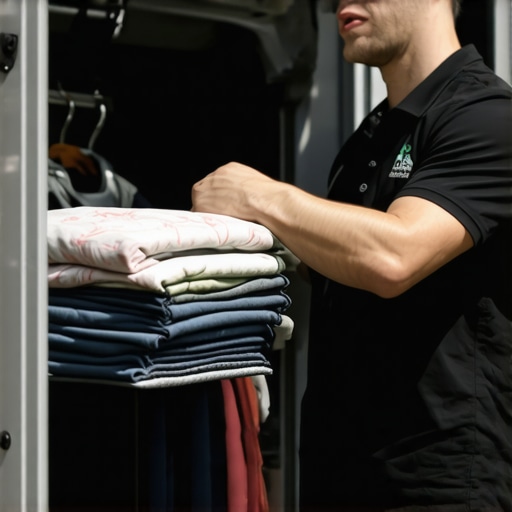
Fortunately, there are now eco-friendly dry cleaning services that offer chemical-free, home pickup options. These services use plant-based solvents and innovative methods to protect your clothes and the environment. Plus, they provide the convenience of doorstep pickup and delivery, saving you time and effort. If you’ve ever faced the dilemma of whether to risk exposing your family to toxic chemicals or to settle for subpar cleaning, you’re not alone. I’ve been there, and I want to help you find a better solution.
Is Eco Dry Cleaning Actually Worth the Hype?
Early on, I made the mistake of dismissing eco-friendly options as too expensive or ineffective. But I quickly realized that many of these services deliver professional quality cleaning while eliminating harmful chemicals. It’s a win for your health, your clothes, and the planet. The key is choosing a reputable provider that prioritizes transparency and safety. For example, some companies highlight their clean-label practices and use only non-toxic, biodegradable solvents.
So, if you’ve been hesitant about switching to eco-friendly garment care, I encourage you to explore the options available in your area. Not only will you be protecting your family’s health, but you’ll also be contributing to a more sustainable future. Ready to take the next step? Let’s look at how you can enjoy safe, chemical-free garment care with home pickup services.
Choose the Right Eco-Friendly Service
Start by researching reputable eco-friendly dry cleaning home pickup services in your area. Look for providers that emphasize non-toxic, biodegradable solvents and transparent practices. For example, services that highlight their use of plant-based solvents and adherence to sustainable standards can be trusted more. Check reviews and certifications to ensure quality and safety.
Schedule Your Pickup and Prepare Your Clothes
Once you’ve selected a provider, schedule a pickup through their online platform or customer service. Before pickup, empty your pockets and secure any delicate accessories. To avoid contamination, separate heavily soiled clothes from lightly worn garments. Think of it like preparing ingredients before cooking — organization makes the process smoother.
Understanding the Eco-Friendly Cleaning Process
When your clothes are picked up, they undergo a cleaning process using plant-based solvents that are gentle yet effective. Unlike traditional methods relying on perc, these solvents don’t emit harmful fumes or residues. Imagine it like a spa day for your clothes, where natural elements refresh and cleanse without harsh chemicals.
Inspect and Care for Your Garments Post-Cleaning
After delivery, inspect your garments for cleanliness and any potential damage. Eco-conscious services often include eco-friendly stain removal techniques that target specific spots without damaging fabrics. For delicate fabrics like silk or lace, inform the cleaner about any special care needs — much like giving precise instructions for a delicate recipe. This ensures your clothes retain their quality over time.
Maintain Your Wardrobe with Sustainable Practices
Adopt habits that extend your clothes’ lifespan, such as proper storage, regular airing, and avoiding over-cleaning. Use eco-friendly fabric refreshers or natural deodorants to keep garments fresh between cleanings. Think of it as giving your wardrobe a health boost, promoting longevity and reducing waste.
Stay Informed and Choose Transparency
Always review the service’s privacy policy and sustainability commitments on their website. Reputable companies will openly share their eco-friendly practices, like clean-label standards and use of non-toxic solvents. This transparency builds trust and ensures you’re making an environmentally sound choice.
By following these concrete steps, you can enjoy high-quality, chemical-free garment care right at home while actively supporting sustainable practices. It’s a simple yet impactful way to protect your health, preserve your wardrobe, and contribute to a greener planet.
While many people are excited about the shift towards eco-friendly dry cleaning, there’s a lot of misinformation that can lead to misconceptions about what truly makes a service sustainable and effective. Let’s dig deeper into some of the most common myths and the nuanced truths that often get overlooked.
Myth: All eco-friendly dry cleaning uses the same plant-based solvents
This is a widespread assumption, but in reality, the quality and safety of plant-based solvents vary significantly. Some providers might label their solvents as ‘natural’ or ‘green,’ but not all are biodegradable or non-toxic to humans and the environment. For example, solvents derived from petroleum can still be marketed as ‘eco-friendly’ if they meet certain standards, which is misleading. Always check for certifications and transparent ingredient lists. A reputable service will emphasize their use of non-toxic, biodegradable plant-based solvents that have been thoroughly tested for safety.
Common Mistake: Believing eco dry cleaning is ineffective on tough stains
Many assume that switching to eco-friendly methods means sacrificing cleaning power. However, advanced eco-friendly techniques like organic stain removal leverage innovative enzymes and gentle yet effective solutions. These are designed specifically for delicate fabrics and tough stains alike, without resorting to harsh chemicals. It’s a myth that green methods can’t handle complex stains—it’s often a matter of choosing the right provider with expertise in sustainable cleaning.
Advanced Questions: Can eco-friendly dry cleaning truly match traditional solvents in all scenarios?
This is a nuanced question that requires understanding the limits and strengths of different cleaning methods. Studies, such as one published in the Journal of Cleaner Production, suggest that while many eco-friendly solvents outperform traditional perc in safety and environmental impact, their efficacy can depend on fabric type and stain severity. For example, heavy oil-based stains might still require specialized solvents or multiple passes, regardless of whether they are traditional or plant-based. Therefore, it’s essential to select a service that customizes treatments based on fabric and stain type, ensuring optimal results without compromising safety. For more insights, see clean-label practices.
Have you ever fallen into this trap? Let me know in the comments.
Maintaining your eco-friendly garment care tools is crucial for ensuring long-term effectiveness and sustainability. As someone passionate about sustainable fabric care, I’ve found that investing in the right equipment and following proper maintenance routines can significantly extend the lifespan of your cleaning tools, saving you money and reducing waste. In this post, I’ll share specific tools I recommend and best practices for keeping them in top condition.
High-Quality Steamers and Garment Refreshers
For delicate fabrics, a reliable handheld steamer is indispensable. I personally use the Rowenta DR8080 Professional Steamer because it heats quickly, produces consistent steam, and is durable. Regular descaling with vinegar solutions prevents mineral buildup, ensuring the steamer continues to operate efficiently. Additionally, for quick refreshes, natural fabric refreshers like plant-based sprays help maintain garments between cleanings without introducing chemicals.
Specialized Cleaning Machines and Solvent Maintenance
If you’re considering home or professional eco-dry cleaning, investing in a plant-based solvent extraction machine is essential. These machines require regular filter checks and solvent replenishment. I recommend scheduling monthly maintenance checks, and always following the manufacturer’s guidelines for cleaning the filters and replacing parts. This proactive approach prevents contamination and ensures the solvents remain effective, which is vital for eco-friendly cleaning processes.
Digital Scheduling and Tracking Software
To streamline maintenance routines and keep track of each garment’s care history, I use specialized garment care management software. It helps schedule regular cleanings, track stain treatments, and monitor equipment upkeep. This digital organization reduces the risk of neglecting maintenance tasks, ensuring consistent quality and sustainability in your garment care routine.
Prediction: The Future of Sustainable Maintenance
Looking ahead, I predict that smart, IoT-enabled cleaning equipment will become more prevalent. These devices will automatically alert users when maintenance is due, optimizing efficiency and reducing waste. Additionally, advances in biodegradable and self-cleaning filters will simplify upkeep, making eco-friendly garment care even easier and more accessible in the future.
Question: How do I maintain my eco-friendly garment care tools over time?
Consistent cleaning, careful storage, and scheduled maintenance are key. For example, descaling steamers monthly, inspecting filters on solvent machines, and updating software for digital tools can prevent breakdowns and extend their lifespan. Always follow manufacturer instructions and consider setting reminders for routine maintenance tasks. For more detailed guidance, see garment preservation tips.
By investing in the right tools and maintaining them diligently, you’ll ensure your eco-friendly garment care system remains effective, safe, and sustainable for years to come. Take the time today to review your equipment, implement proper maintenance routines, and explore new innovations that can further enhance your sustainable wardrobe management.
The Hardest Lesson I Learned About Eco-Friendly Dry Cleaning
Initially, I believed that switching to eco-friendly dry cleaning meant compromising on cleanliness. It was a tough realization that true sustainability requires understanding the nuances of cleaning methods and choosing providers who truly align with eco principles. This insight pushed me to research thoroughly and seek out those who use plant-based solvents.
3 Myths About Sustainable Garment Care That Held Me Back
One major myth was that eco-friendly cleaning isn’t effective on tough stains. I learned that many eco solutions leverage enzymes and gentle yet powerful techniques, debunking the misconception that green methods lack cleaning power. Another myth was that all plant-based solvents are the same; in reality, quality and safety vary, so verifying certifications is crucial. Lastly, I used to think eco dry cleaning was only for delicate fabrics, but now I realize it can be suitable for a wide range of garments, from formal wear to everyday clothes.
What Experts Won’t Tell You About Preserving Your Wardrobe Sustainably
Many professionals overlook the importance of proper maintenance of your cleaning tools and equipment. Regularly descaling steamers, inspecting solvent filters, and scheduling routine upkeep are essential for long-term effectiveness. Additionally, understanding fabric-specific care and informing your cleaner about delicate items can make a significant difference in preserving your clothes’ quality over time. For a deep dive into sustainable garment preservation, explore this resource.