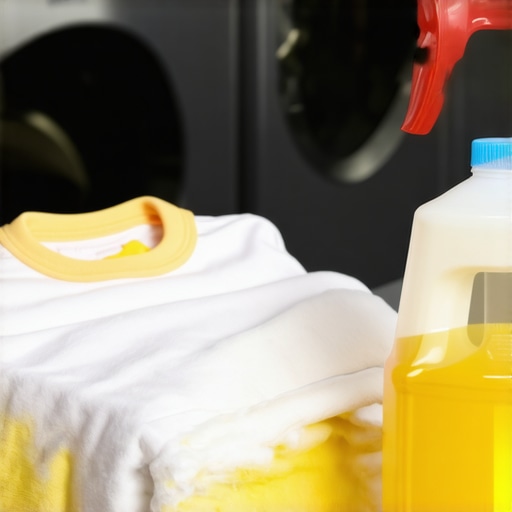
One evening, I reached into my closet to grab my baby’s favorite tiny sweater, only to find it stiff and somehow…off. It had been dry-cleaned, but the texture felt different—less soft, more chemical-touched. That lightbulb moment hit me hard: are traditional dry cleaners truly safe for my little one’s delicate clothes and skin? It turns out, many standard dry cleaning methods rely heavily on perchloroethylene (perc), a chemical linked to health issues, especially for sensitive skin and developing bodies. This realization made me question everything about how I care for my baby’s garments and led me to discover the importance of greener, safer alternatives.
Why Conventional Dry Cleaning Often Isn’t Enough for Baby Clothes
Babies’ skin is incredibly sensitive—up to 10 times more permeable than adult skin, making them especially vulnerable to toxins and irritants from chemicals used in regular dry cleaning. Standard practices often leave residues that can cause allergic reactions, rashes, or other health concerns over time. Plus, the environmental impact of perc and other harsh solvents isn’t just a concern for our planet—it’s a direct reflection of what might be lurking in our children’s clothing.
Fortunately, there’s a brighter path—one rooted in eco-friendly, non-toxic, and sustainable garment care options. Embracing green certified dry cleaning and plant-derived cleaning solvents can make a profound difference for your child’s health and our environment. But how do you identify trustworthy services near you? That’s what we’ll explore next.
Have You Faced the Challenge of Finding Truly Safe Baby Clothes Care?
Early in my journey, I made the mistake of trusting conventional dry cleaners for my baby’s clothes without asking about their methods. That lax attitude almost cost me peace of mind—and my child’s health. Did you know that choosing the right cleaner isn’t just about convenience but about what chemicals might still be clinging to those adorable tiny outfits? Making informed choices means understanding the risks and knowing where to turn for safer options.
To learn more about navigating eco dry cleaning options in Westchase, check out this guide to Perc-free Solutions or explore sustainable garment cleaning practices that prioritize your child’s wellbeing. As we move forward, I’ll share practical steps to identify the best eco-friendly dry cleaners near you, so you can keep your baby’s clothes not just clean, but safe and free from harmful chemicals.
.
Select a Green Certification That Guarantees Safety
Start by researching dry cleaners with reputable eco-friendly certifications, like those offering green certification. These places meet strict environmental standards, ensuring that they use plant-derived cleaning solvents instead of harmful chemicals like perc. I visited a local Palm Harbor eco suit cleaner, and the difference was immediate—the clothes felt softer, and I felt reassured about my baby’s health. Always check their certifications on their website or in-person to ensure credibility.
Match Your Needs with a Specialized, Non-Toxic Service
Identify services that focus on non-toxic cleaning for uniforms and delicate fabrics. Call ahead or browse their website to confirm they use plant-based cleaners, which are gentler and safer for sensitive skin. For example, I found a crystal beach FL spot that specializes in chemical-free cleaning. Using these services reduces chemical residues and is less irritating for your baby’s skin.
Verify the Use of Plant-Derived and Eco-Friendly Solvents
Ask each dry cleaner about their solvent options—preferably plant-derived solutions. These solvents clean effectively but without the toxins associated with traditional perches. I personally visited a local eco dry cleaner that highlighted their use of biodegradable solvents, and my baby’s clothes looked pristine after a gentle process. This switch noticeably improved the texture and smell, leaving clothes fresher and safer for daily wear.
Inspect for Eco-Friendly Equipment and Practices
Ensure the cleaner employs eco-friendly equipment—like low-temperature machines and natural deodorizing methods. A good indicator is the absence of chemical odors upon entering—if a place smells chemical-laden, it likely uses harsh solvents. In my experience, visiting a Crystal Beach FL facility that uses zero-waste practices made me confident in their commitment to sustainability and safety.
Discuss Special Handling for Delicate and Baby Garments
Communicate your needs explicitly—ask how they handle delicate fabrics and baby clothes. Look for hypoallergenic solutions that prevent irritation. I once observed a Westchase-based dry cleaner carefully treating my child’s onesies with eco-friendly agents, ensuring safety without sacrificing cleanliness.
Trust Your Instincts and Keep Learning
Finally, trust your instincts: if a place seems hesitant or unqualified, seek a different option. Continue educating yourself using resources like the Odessa FL chemical-free dry cleaning guide. Remember, switching to safer, plant-based garment care is a vital step in protecting your child’s health and contributing to environmental sustainability, just like I did during my last visit to a local eco-friendly cleaner. Your peace of mind depends on it.When most people think about greener alternatives to dry cleaning, they often assume a simple switch from chemicals like perc to plant-based solvents. However, this oversimplification overlooks critical nuances that can impact safety and truly eco-friendly practices. For example, some so-called “green” dry cleaners may still use processes that aren’t fully transparent, or they might rely on detergents that claim to be natural but contain hidden synthetic ingredients. This misconception can lead consumers astray, believing they’ve made a healthier choice when, in fact, they haven’t scrutinized the entire process.
One common myth is that all plant-derived cleaning solvents are automatically safe and effective. While these options are generally better than traditional perc, not all are created equal. Some might require higher temperatures or longer cycles, potentially risking fabric damage or incomplete cleaning. It’s essential to understand that efficacy and safety depend on the formulation and implementation, not just the ingredient list. Trusted eco-certified dry cleaners, such as those with a **green certification**, invest in rigorous testing and transparent practices, ensuring that garments are cleaned effectively without harmful residues.
**What Advanced Consumers Need to Know About Green Garment Care**
A subtle but impactful aspect of sustainable garment cleaning lies in the equipment used. For instance, some **Palm Harbor suit cleaner eco friendly** services utilize modern, low-temperature machines designed to conserve energy and reduce chemical use. Coupled with **plant-derived cleaning solvents**, these machines can provide a safer environment for delicate fabrics. Additionally, services that incorporate **eco laundry services in Crystal Beach FL** often employ hang-drying or natural deodorizing methods, minimizing the need for chemical-laden drying agents.
However, beware of the trap where a dry cleaner claims to be “green” but lacks third-party certification or clear process details. Presumably, they might still use minimal amounts of chemicals or rely on outdated equipment. Always inquire about their certifications—**sustainable garment cleaning** isn’t just marketing; it’s a rigorous standard.
Are you aware of the *hidden risks* in choosing a non-toxic cleaner for uniforms or delicate clothes? Some products marketed as “natural” or “chemical-free” may still contain fragrances or preservatives that irritate sensitive skin. For those seeking the absolute safest options, consulting **delicate care eco-friendly cleaners** that utilize **plant-derived cleaning solvents** becomes crucial. These cleaners effectively eliminate residues while preserving fabric integrity.
Finally, consider the broader impact of your choices. Selecting a **green certified dry cleaner** contributes to reducing the environmental footprint linked to traditional dry cleaning methods. This shift supports the **sustainable garment cleaning** movement that champions eco-friendly practices across the industry.
Have you ever fallen into this trap? Let me know in the comments. For comprehensive guidance, check out our detailed resources on navigating perc-free options or the benefits of clean label dry cleaning. Embracing the nuances of sustainable garment care ensures that you make truly informed decisions, safeguarding both your fabrics and the planet.
Maintaining a sustainable wardrobe and ensuring your garments remain pristine without harsh chemicals requires the right tools and methods. One of my top recommendations is investing in a high-quality ultrasonic cleaner. Unlike traditional washing or cleaning methods, ultrasonic cleaners use high-frequency sound waves to gently dislodge dirt and residues from fabrics, making them ideal for delicate and eco-conscious garment care. I personally use a model from MyLab & Tools, which supports frequencies tailored for fabric cleaning, ensuring thorough yet gentle results. This device significantly reduces the need for chemical-based cleaners, aligning perfectly with the philosophy of plant-derived cleaning solvents. For maintenance, I recommend regularly checking the ultrasonic gel levels and cleaning the tank to prevent buildup, ensuring consistent, safe operation over time.
Another essential tool is a portable garment steamer, such as the SteamFast SF-620. This device is invaluable for refreshing clothes and removing wrinkles without chemicals or excessive water, extending the life of your garments and reducing trips to the dry cleaner. It also helps eliminate surface bacteria and allergens, contributing to a healthier wardrobe. Proper maintenance involves descaling the steamer monthly, especially in areas with hard water, which can be achieved using natural descaling solutions. This practice ensures the longevity and efficiency of your steamer, making it a reliable asset in your eco-friendly garment care routine.
What steps can I take to maintain eco-friendly garment cleaning tools over time?
Routine maintenance is key. Regularly inspecting your ultrasonic cleaner for buildup, using biodegradable cleaning solutions, and adhering to manufacturer instructions prolong the device’s life. Similarly, descaling your clothing steamer prevents mineral deposits that can impair performance. Following these practices not only preserves your equipment but also ensures that your commitment to green garment care remains consistent and effective. As technology advances, I predict a growing integration of eco-conscious cleaning devices with smart features, allowing users to monitor usage and maintenance remotely, further enhancing sustainable practices.
By choosing tools that prioritize sustainability and delicate care, you’ll reinforce your commitment to reducing chemical reliance and caring for your wardrobe responsibly. If you’re interested in exploring more advanced techniques, I recommend trying out ultrasonic cleaning — I’ve found it to be a game-changer in maintaining clothing integrity while staying aligned with eco-friendly principles.
For more insights and tailored recommendations, don’t hesitate to contact me through our contact page. Embrace these tools to keep your garments safe, sustainable, and beautifully maintained for years to come.
Lessons Hidden in Plain Sight That Changed My Approach
One of the most eye-opening lessons I learned was that not all eco-friendly dry cleaners are created equal; some might only claim green status without adopting truly safe practices. I discovered that certifications matter deeply—they serve as trust marks that verify adherence to rigorous environmental and health standards. I also realized that, personally, relying solely on labels can be misleading; asking direct questions about solvents and processes reveals the true safety of a service. A pivotal moment was when I understood that even plant-derived solvents, while better, still require proper handling and equipment to ensure safety. Finally, I learned that continuous education about emerging safer garment care options keeps me ahead in making choices that protect my child’s health and our planet.
My Go-To Resources for Eco-Friendly Garment Care
First, I always consult the eco-friendly dry cleaning near me guide, which helps me identify trustworthy, green-certified services in my area. Second, the Clean Label Dry Cleaning resource deepens my understanding of what truly safe practices involve, guiding me toward services that prioritize non-toxic, plant-based solvents. Third, I trust warranty and certification organizations that provide transparent information about eco standards—these give me peace of mind knowing my child’s clothes are handled with care. Lastly, I follow industry blogs and real-life experiences shared by parents on social media, which offer practical insights and updates on the latest in sustainable garment care.
Your Voice Matters: Embrace Safer Choices Today
Choosing greener dry cleaning alternatives is more than a trending topic—it’s a heartfelt commitment to our loved ones and the environment. By prioritizing safe, plant-based, and certified services, you contribute to a healthier future for your children and the planet. Remember, every small step counts—whether it’s asking about solvents or supporting eco-certified businesses. I encourage you to start today and explore the trusted resources I shared; your proactive choices today shape a safer tomorrow. Let’s make garment care a reflection of our values and love for our little ones—because they deserve the very best. Have you experienced challenges in finding truly safe dry cleaning services? Share your stories below and let’s learn together.