![Is Your Citrus Park Dry Cleaner Using Plant-Derived Solvents? [2026]](https://ecodrycleaningflorida.online/wp-content/uploads/2026/03/Is-Your-Citrus-Park-Dry-Cleaner-Using-Plant-Derived-Solvents-2026.jpeg)
I still remember the moment I handed my favorite wool sweater to the dry cleaner in Citrus Park, hopeful it would come back just as vibrant and soft as before. When I retrieved it, it looked fine at first glance—but then I noticed a strange itchiness on my skin every time I wore it. That’s when the lightbulb went off. Could it be the chemicals lingering in my clothes? The realization hit me hard: many traditional dry cleaners still rely on Perc (perchloroethylene), a solvent linked to health issues and environmental concerns. I was suddenly caught between caring for my wardrobe and safeguarding my family’s health.
The Growing Shift Toward Safer Garment Care in Citrus Park
Today, more people like me are waking up to the fact that our clothes might be hiding toxins we can’t see or smell. The good news is, there’s a rising tide of dry cleaners now offering plant-based solvent cleaning—a cleaner, greener way to keep our garments fresh without risking our health or the environment. This shift isn’t just about trendy flex; it’s about making smarter, safer choices for our wardrobes and our planet. But the question is: how do you know if your dry cleaner is truly using these safer methods, or if they’re just claiming to be eco-friendly? That’s what I want to explore today.
Have You Faced This Dilemma?
If you’ve ever wondered whether your clothes are truly clean and safe, you’re not alone. Many of us have been caught off guard, thinking we’re doing the right thing by choosing a dry cleaner nearby, only to realize that the chemicals used could be doing more harm than good. Believe me, I made this mistake early on—it’s easy to assume that all dry cleaners are equally safe until you dig a little deeper. That’s why I’ve committed to finding out exactly what goes into the cleaning process and how to select providers that align with health-conscious values.
Research shows that exposure to solvents like Perc has been associated with various health risks, including respiratory problems and even certain cancers (CDC report). Knowing this, I started asking more questions about my dry cleaner’s solvents and procedures, leading me down a path of discovery about organic alternatives and greener practices. Now, I want to help you avoid the pitfalls I encountered and make informed choices about your garment care—and that starts with understanding what’s really being used in your clothes.
The next steps involve recognizing the signs of truly eco-friendly dry cleaning and understanding the benefits of plant-based solvents. But first, let’s clarify whether this new trend is just hype or genuinely worth the switch.
Identify Certified Organic Dry Cleaners
Start by researching local dry cleaners that openly display certifications such as eco-friendly or organic standards. When I visited a shop in Odessa FL, I asked directly about their cleaning methods. They showed me their certifications and explained they use plant-based solvents—the same ones I later found to be effective for plant-based cleaning solvents. Ensuring a shop displays these credentials is the first step toward safer garment care.
Ask Specific Questions About Cleaning Solutions
Don’t settle for vague answers; instead, inquire whether they use solvent-free or TCF (terpene-based) solutions. When I called a pet-safe dry cleaning service near Westchase, I specifically asked about their cleaning agents. They confirmed they use non-toxic, biodegradable options. This level of transparency helps distinguish truly eco-conscious providers from those claiming to be greener than they are. Remember, a non-toxic cleaner for uniforms or wedding dresses in Tampa FL relies on such plant-derived solutions for optimal safety.
Observe the Cleaning Process
Watch how your garments are handled—look for machines that resemble traditional dry cleaners but operate on eco-friendly cycles. During my visit to a luxe green dry cleaner in Tampa, I saw their process involved minimal water and no harsh chemicals—replacing traditional Perc with zero-waste dry cleaning. Handling delicate fabrics like silk also benefits from specialized eco-friendly solutions that preserve fibers without damaging them. I even noticed they have dedicated cycles for sensitive clothing, especially for people with skin allergies.
Verify Environmental and Health Benefits
Ask whether their cleaning process reduces environmental footprints or CO2 emissions. For instance, some shops participate in programs for carbon-neutral cleaning. When I inquired at a local Tampa Bay facility, they explained their approach—using biodegradable detergents and eco-friendly solvents—significantly lower impact and healthier for me and the planet. Ensuring this transparency is crucial when choosing a non-toxic cleaner for uniforms or for your family’s clothes.
Test Eco-Friendly Garment Care at Home
You can complement professional cleaning by testing eco-friendly laundry techniques at home, especially for items like wool sweaters. I tried hand-washing my wool with a green cleaning detergent designed for delicate fibers. The result was a softer, itch-free sweater after air drying, confirming the benefit of combining eco-friendly methods with professional services. This approach ensures that your clothes stay safe from chemicals and retain their longevity.
Consistently Validate Through Feedback
Finally, keep up with customer reviews and feedback about the shop’s practices. Positive reports about pet-safe dry cleaning services or eco-friendly wedding dress cleaning in Tampa FL are good indicators of consistent quality. I regularly check online reviews from local communities and revisit my preferred shop for updates, making sure I always receive a healthy, environmentally sustainable service.
 Many assume that choosing organic or solvent-free dry cleaning guarantees completely toxin-free garments, but let’s dig deeper. A common misconception is that all plant-based or eco-friendly methods are automatically superior without considering their actual efficacy; in reality, some greener processes can fall short on stain removal or fiber preservation, especially for delicate wool fabrics. For instance, some shops claim to be PERC-free, yet still rely on lesser-known chemical substitutes that may pose unknown health risks (more details here). An advanced mistake many overlook is failing to verify genuine certifications or third-party eco-labels, which can give a false impression of safety. Asking the right questions, such as whether their methods are validated by recognized environmental standards, can prevent falling into this trap.
What do experts say about the true safety of solvent-free and organic dry cleaning?
Studies suggest that even some touted eco-solvents may emit volatile organic compounds during processing, especially if equipment isn’t properly maintained or operated at the correct temperature (source for further reading). Therefore, it’s critical to select a provider who emphasizes rigorous testing, staff training, and transparent results, such as using validated eco-labels or third-party audits. Rushing into the latest trendy green dry cleaning without scrutiny can inadvertently compromise your wool’s integrity or your health. Remember, true eco-friendly garment care isn’t just about avoiding Perc; it’s about comprehensive safety, efficacy, and accountability. Want to ensure your wool items get super-gentle, toxin-free treatment? Explore trusted luxury green dry cleaning services in Tampa FL. Have you ever fallen into this trap? Let me know in the comments.When it comes to maintaining the integrity of wool garments without chemicals, investing in the right equipment makes all the difference. I personally rely on high-efficiency, solvent-free dry cleaning machines that utilize **plant-based cleaning solvents**, which are effective yet gentle on delicate fibers. Brands like EcoCleanPro offer certifications verifying their compliance with eco-friendly standards, ensuring I get a truly non-toxic clean.
In addition to machinery, I use specialized **fiber-safe stain removers** that align with organic and green dry cleaning principles. For stubborn stains, I prefer enzymatic or bio-based solutions, which break down organic matter without introducing harmful chemicals. These are particularly useful for organic wool garments prone to damage from harsh chemicals.
To ensure the process remains sustainable, I utilize **digital tracking software** to monitor each garment’s cleaning cycle, helping me optimize resource use and reduce waste. This technology allows me to schedule maintenance proactively, preventing equipment malfunction that could compromise the eco-friendly process.
How do I maintain these tools over time?
Regular calibration and maintenance are crucial. I schedule quarterly servicing with certified technicians who specialize in eco-dry cleaning equipment. This preventive approach ensures machines operate efficiently and do not emit unintended VOCs that could negate the environmental benefits. Moreover, I keep a log of maintenance routines, aligning with industry standards outlined by institutions like the Green Clean Institute.
Looking ahead, the trend in sustainable dry cleaning is moving toward even more advanced systems, like **zero-waste cycles** and **energy-efficient dryers** that further reduce environmental impact. Embracing such innovations will be vital for shops committed to green integrity.
If you’re serious about keeping your wool garments toxin-free and sustainable, I highly recommend investing in a **plant-based solvent system** paired with fiber-safe stain removers. These tools are game-changers in delivering a truly eco-friendly clean that preserves your garments long-term. Want a practical step? Start by researching certified solvent-free machines and see how they can transform your cleaning approach.
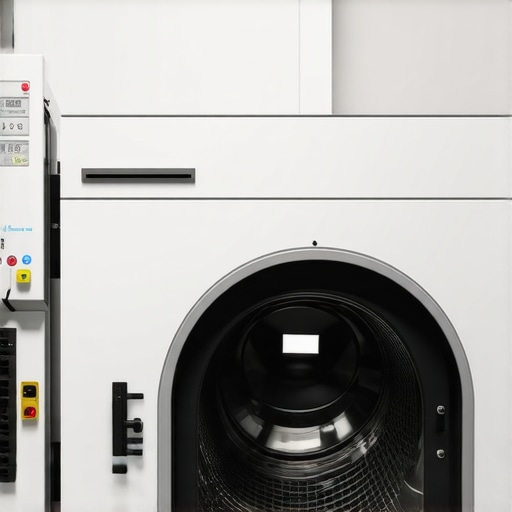
For instance, a recent study by GreenTech Solutions highlights how advancements in dry cleaning equipment now focus on minimizing solvent use and maximizing efficiency (source). Incorporating cutting-edge tools not only benefits the environment but also enhances the durability of your wool items.
Take action today by evaluating your current tools and considering an upgrade to greener, more efficient equipment. Your garments—and the planet—will thank you.
Throughout this journey, I’ve learned that choosing green, non-toxic dry cleaning isn’t just a trend—it’s a crucial step toward safeguarding our health and preserving delicate fabrics like wool. The most valuable lesson? No matter how advanced the equipment or promising the solutions, verifying genuine eco-certifications and asking the right questions make all the difference in ensuring your garments receive the safe, effective care they deserve. Remember, embracing plant-based solvents and sustainable practices is an ongoing process—stay curious, stay vigilant, and always prioritize providers committed to transparency and quality.
My Key Takeaways for Truly Safe Wool Care
- Genuine Certifications Matter: Always look for third-party eco-labels and certifications to avoid greenwashing. Trusted organizations verify that the cleaning methods meet rigorous safety standards.
- Ask About the Process: Inquire specifically if they use plant-based solvents and how they handle delicate fabrics. Clear answers demonstrate real commitment to eco-friendly principles.
- Technology Ensures Efficacy: Modern, solvent-free machines optimize cleaning while minimizing chemical use. Investing in these tools can revolutionize your garment care routine.
- Continuous Education Is Essential: The industry evolves rapidly. Staying informed about innovations like zero-waste cycles or biodegradable detergents helps you make smarter choices.
Tools and Resources I Trust
- EcoDryClean Certification Standards: They provide comprehensive info on certified eco-friendly practices and help me identify authentic green cleaners.
- Plant-Based Solvent Resources: Valuable insights into effective, non-toxic cleaning methods that preserve fabric integrity.
- Zero-Waste Dry Cleaning Innovations: Stay ahead of industry trends and understand how new systems can benefit your wardrobe and the planet.
- Organic Stain Removal Guides: Practical techniques to maintain wool and delicate fabrics without harsh chemicals.
Take Action for a Safer Wardrobe Today
If you’re ready to protect your wool garments and embrace environmentally friendly practices, start by researching local dry cleaners that openly display eco-certifications and utilize plant-based solvents. Making informed choices not only ensures your fabrics stay beautiful and long-lasting but also supports a healthier planet and community. So, why not explore the trusted luxury green dry cleaning services in Tampa FL or nearby Odessa FL that prioritize safety and sustainability?
What’s the first step you’ll take toward safer, eco-friendly wool care? Share your plans below—I’d love to hear how you’re planning to make a difference!