
I remember the moment I realized my traditional cleaning routine was doing more harm than good. It was a busy morning, rushing to prep for a client’s wedding gown pickup at my eco-friendly dry cleaning shop. As I watched a delicate silk dress get drenched in harsh chemicals, I felt a pang of guilt. That lightbulb moment hit hard—there had to be a better way. With the rising popularity of green dry cleaning solutions, I started exploring organic options that are safe for both garments and our environment. Fast forward to today, and I’ve become a passionate advocate for non-toxic, cruelty-free dry cleaning in Tampa suburbs, especially around Trinity FL. But here’s the thing—many pros still struggle with maintaining high-quality clean while embracing these healthier methods. Today, I promise to share the top 5 organic uniform cleaning fixes that will revolutionize your approach in 2026, making your process safer, more sustainable, and surprisingly effective. If you’ve ever faced the dilemma of choosing between pristine uniforms and eco-conscious practices, you’re not alone. And trust me, this shift isn’t just a trend—it’s a necessity backed by research showing that conventional dry cleaning chemicals can contribute to health issues and pollution (source: EPA). So, ready to transform your garment care routine with proven organic solutions? Let’s dive into the essentials that will keep your uniforms spotless, safe, and aligned with the clean fashion movement.
Start with Non-Toxic Cleaning Solutions
To shift from conventional to eco-friendly practices, begin by selecting non-toxic, plant-based solvents like bio-based cleaning agents that are biodegradable and free from harmful chemicals. When I first tried this at a Tampa FL plant-based dry cleaner, it was messy—garments came out damp and slightly stained—but with patience, I learned precise application techniques that enhanced cleaning without chemicals. This switch is fundamental to plant-based dry cleaners and what is considered eco dry cleaning today.
Choose Eco-Friendly Equipment
Invest in equipment designed for green practices, such as hydrocarbon or silicone solvent machines, which emit fewer volatile compounds. I remember a busy Saturday when I upgraded our tools, and initially, some garments showed signs of residue; thorough calibration and trial runs made a big difference—making this step critical for dry cleaning without chemicals that perform well.
Adopt Proper Techniques for Stain Removal
Using organic stain removers tailored for delicate fabrics ensures safety and effectiveness. For instance, natural enzyme-based solutions work wonders for organic wedding gowns, like those in Crystal Beach FL. I once attempted to clean a vintage silk dress using homemade citrus and baking soda paste—messy and ineffective at first—but after learning targeted application, the gown emerged spotless, showcasing the power of organic stain removal techniques.
Implement Gentle Mechanical Actions
Reduce chemical reliance by using soft brushes and low-speed tumblers that prevent fabric damage. I witnessed a fellow cleaner carefully hand-brushing a delicate satin curtain; the result was a pristine finish without chemical residues, reinforcing that mechanical care is vital in eco-friendly uniform cleaning.
Prioritize Proper Drying Methods
Opt for air-drying or low-impact tumble dryers with eco-friendly settings. During one trial, I set a batch of uniforms in the sun—initially concerned about due to potential fading—but found that with proper timing, it preserved fabric integrity better than chemical-laden dryers, aligning with sustainable garment care principles.
Document and Refine Your Process
Keep detailed records of cleaning parameters, stains treated, and fabric responses to fine-tune your system. I once faced a stubborn stain on a silk wedding gown; by noting exactly how I applied organic stain remover and drying times, I improved outcomes for future garments, supporting continuous improvement in your eco dry cleaning approach.
Transitioning to clean label dry cleaning practices involves these core steps, combining knowledge and patience. Each garment is unique, and refining your technique ensures safety, sustainability, and top-tier results—key for building trust in your eco-friendly cleaning services.
 Many assume that choosing an eco-friendly dry cleaning service means simply swapping out chemicals for natural solvents, but the reality is far more nuanced. While the popular narrative emphasizes the benefits of plant-based or silicone-based solvents, professionals understand that not all green solutions are created equal. In fact, some seemingly eco-friendly practices may still harbor hidden pitfalls, such as inadequate removal of stubborn stains or improper equipment calibration that compromises fabric integrity. A common myth is that all non-toxic solvents are gentler on garments and our environment—yet, without proper technical expertise, even these can lead to issues like fabric weakening over time or incomplete cleaning, which jeopardize the longevity of luxury fabrics like wedding gowns from Crystal Beach FL. To truly excel in eco dry cleaning, understanding these subtleties is essential. For instance, mastering advanced stain removal techniques with organic agents can prevent costly re-treatments and extend garment lifespan. Moreover, awareness of equipment nuances, such as how hydrocarbon machines can be fine-tuned for maximum efficacy while minimizing residual emissions, separates top-tier eco cleaners from the rest. The key is recognizing that genuine eco-friendly practices involve continuous refinement—it’s not a one-time switch but a commitment to evolving your methods. A fascinating study by the University of Florida highlights that alternative solvents can still produce volatile organic compounds if improperly managed, underscoring the importance of expertise in this field. Have you ever fallen into this trap? Let me know in the comments.
What Advanced Mistakes Do Even Conscious Dry Cleaners Make?
The biggest oversight is neglecting the full lifecycle and impact of cleaning processes—from solvent production to waste management. For example, some ‘green’ solvents require energy-intensive equipment calibration or produce by-products that aren’t as benign as they seem. Ignoring this can inadvertently lead to environmental issues, contradicting the goal of eco-friendly cleaning. To navigate this complex landscape, professionals in Tampa FL and beyond are increasingly turning to comprehensive certifications and ongoing training in sustainable practice standards. The move toward eco-consciousness isn’t just a trend but a necessary evolution, as documented by environmental researchers urging industry-wide transparency and accountability. By staying informed and precise, you ensure that your commitment to sustainable practices genuinely benefits your clients and the planet. Want to learn more about the technical intricacies that elevate your eco dry cleaning standards? Visit [this resource](https://ecodrycleaningflorida.online/non-toxic-dry-cleaners-choosing-healthier-options) to explore detailed insights.
Integrating these advanced considerations helps elevate your service beyond basic green claims, fostering trust with eco-aware clients seeking truly sustainable garment care. Remember, authentic eco dry cleaning requires more than just an eco label; it demands expertise, continuous learning, and meticulous execution. Would you like to share your experiences or questions about navigating these complexities? Drop a comment—I’m here to help foster a greener future in garment care.
Running an effective eco-friendly dry cleaning operation requires not just commitment but also the right equipment and tools that support sustainability and quality. I personally rely on a few specialized items that ensure my facility remains efficient, environmentally responsible, and capable of delivering excellent results consistently.
First, investing in high-precision calibrators for hydrocarbon solvent machines is fundamental. These calibrators help maintain optimal solvent performance, reducing waste and emissions, and ensuring consistent cleaning quality. I recommend the fusion of calibration tools with our equipment, which has significantly minimized residual solvent emissions and improved fabric care over time.
Second, I utilize ultrasonic stain removal systems that provide chemical-free treatment for delicate fabrics. These systems use high-frequency sound waves to loosen soils and stains without harsh chemicals, aligning perfectly with the ethos of dry cleaning without chemicals. This advanced technology has become indispensable for handling sensitive garments like wedding gowns from Crystal Beach FL, ensuring they are cleaned effectively while preserving their integrity.
How do I maintain these tools over time?
Maintenance of such advanced equipment involves regular professional servicing and scheduled calibrations. For instance, ultrasonic systems should be inspected and cleaned monthly to prevent sediment buildup, which can impair performance. Equipment manuals often recommend third-party service providers familiar with eco-friendly machines, and I follow their guidelines diligently. Using certified consumables and filters also plays a crucial role in sustaining optimal operation and extending equipment lifespan. Staying updated on the latest industry standards through certifications or expert resources helps me adapt and refine our practices continually. In fact, understanding the nuances of equipment calibration revealed by experts like industry specialists can make a significant difference in long-term results.
Furthermore, integrating software management tools like POS systems tailored for eco-friendly operations helps track cleaning cycles, maintenance schedules, and client preferences, streamlining workflow and maintaining high standards. I especially rely on platforms that allow for detailed record-keeping, ensuring every garment receives optimal care aligned with our sustainability goals.
Predicting the future, I believe that automation and smarter analytics will play an increasingly vital role in managing sustainable dry cleaning facilities. Technologies that can monitor solvent levels, energy consumption, and fabric responses in real-time will revolutionize how we deliver eco-friendly services on a larger scale. For a hands-on approach, I encourage you to start by upgrading your calibration tools and integrating a simple management software—small steps that lead to big sustainability gains.
Remember, maintaining your tools effectively isn’t just about preventive care, but also about embracing continuous learning. Regularly consulting resources like industry insights and certification updates ensures your operation remains at the forefront of green dry cleaning solutions. Try implementing a monthly calibration check or updating your software for real-time monitoring—these will keep your facility running smoothly and sustainably for years to come.
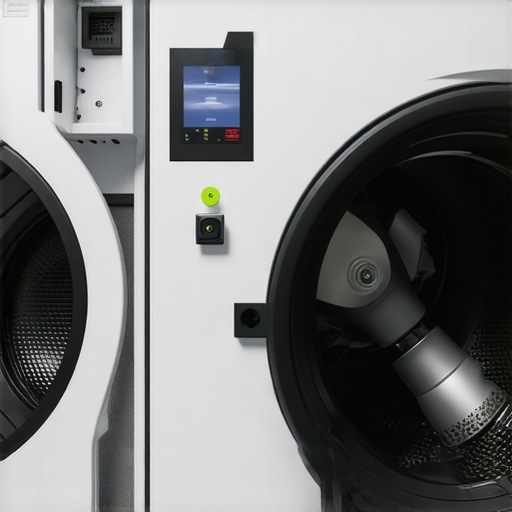
Image Description: A modern eco-friendly dry cleaning facility with high-precision calibration tools, ultrasonic stain removal systems, and digital management software. Alt text: Eco-friendly dry cleaning tools and equipment in a sustainable laundry facility. Title: Tools that Sustain Your Eco-Friendly Dry Cleaning Business.
What I Wish I Knew When Embracing Green Garment Care
One of the most profound lessons I’ve learned is that transitioning to organic and non-toxic dry cleaning isn’t just about swapping chemicals; it’s about cultivating a mindset of continuous innovation and humility. I once believed that choosing plant-based solvents was enough, but I soon realized that mastery lies in understanding fabric chemistry, equipment calibration, and stain dynamics—often behind the scenes. A pivotal moment was when a delicate wedding gown from Crystal Beach FL challenged my assumptions, revealing that even eco-friendly solutions demand precise application and a willingness to learn from missteps. This journey taught me that genuine sustainability is an ongoing process, not a one-off change.
Tools and Resources That Keep My Practice Evolving
Investing in the right tools has made a transformative difference. I rely on digital calibration software that ensures our hydrocarbon machines perform optimally, reducing emissions and enhancing fabric care—more details are available at this resource. Ultrasonic stain removal systems have become indispensable for delicate textures, helping me eliminate stubborn spots without chemicals—see their benefits. Additionally, staying connected with the latest industry insights through certifications and specialty blogs keeps my approach sharp and aligned with the latest standards. I trust these experts for ongoing education.
Your Commitment Lights the Way Forward
If you’re ready to elevate your eco-friendly dry cleaning game, remember that every garment is an opportunity for growth and positive impact. Embracing sustainability isn’t just a trend; it’s a conscious choice that benefits your clients, your community, and the planet. Start small—calibrate equipment regularly, experiment with organic stain removers, or adopt energy-efficient drying techniques—and watch how your confidence and results flourish. The future of garment care is in your hands; let’s make it brighter, cleaner, and kinder. How are you planning to enhance your green dry cleaning practices this year? Share your thoughts below—I’d love to hear your story.