
I vividly remember the day I picked up my daughter’s dress from what was supposed to be a reputable eco-friendly dry cleaner here in Tampa. As I unpacked it, a strange chemical smell hit me—completely at odds with what I was promised. It was a sobering moment that made me realize I’d been duped by labels claiming to be ‘green’ or ‘eco-friendly’ but falling short in practice. That experience opened my eyes to the often-blurred lines in eco dry cleaning, especially when it comes to protecting our little ones.
Why I Had to Rethink My Approach to Dry Cleaning
Fast forward a few years, and I’ve become passionately committed to understanding the true standards behind dry cleaning for children’s clothes, especially given that FL parents face unique environmental challenges. Our climate—hot, humid, and prone to pollution—demands safer, cleaner options that don’t compromise health or the planet. Trust me, the difference between genuine eco dry cleaning and greenwashing is stark, and making the right choice can feel overwhelming.
Studies show that traditional dry cleaners often use chemicals like perchloroethylene (perc), which is linked to serious health risks, including neurological and respiratory issues. Nipping these hazards in the bud isn’t just about convenience—it’s about safeguarding our children’s futures. Early on, I mistakenly believed that all eco dry cleaners were created equal. Unfortunately, many still rely on questionable solvents or processes, making it crucial to know what to look for.
So, how do we, as parents committed to safety and sustainability, navigate this landscape? The answer lies in understanding and adopting specific rules—rules that I’ve personally tested and swear by. Today, I promise to share the four essential safe eco dry cleaning rules that every FL parent should follow in 2026 to keep our kids’ clothes pure and our environment protected.
Does Eco Really Mean Safe for Your Kids?
If you’ve ever wondered whether those so-called ‘green’ dry cleaners truly deliver on eco promises, you’re not alone. My initial mistake was trusting labels without digging deeper. Now, I match practices against clear criteria—like the use of non-toxic, plant-based solvents and rigorous certification standards—to ensure that I’m making truly safe choices for my family. Want to learn more about what transparency in cleaners looks like? Check out our comprehensive guide to clean label dry cleaning.
Are you facing similar frustrations? Let’s dive into the rules that will help you identify and choose the safest, most eco-friendly dry cleaning options for your kids’ clothes in 2026. Because truly safe dry cleaning isn’t just a trend—it’s a necessity for a healthier, greener future.
📌 Are you tired of uncertainty when it comes to your children’s clothing care? Stay tuned as I reveal practical, research-backed rules that make safe eco dry cleaning a simple, achievable reality.
Identify Certified Eco-Friendly Dry Cleaners
Start by researching local Tampa FL plant-based dry cleaners that possess certifications like EcoTS or Green Seal, indicating adherence to strict environmental standards. I once visited a store in Odessa FL that proudly displayed their eco-certifications, which reassured me of their commitment to safe practices. Always verify these credentials through their official websites or by direct inquiry, ensuring you’re not falling for greenwashing.
Ask About Non-Toxic, Plant-Based Solvents
Next, inquire whether the cleaner uses plant-derived, low-emission solvents instead of traditional perc or tallow-based substances. I remember bringing in my son’s clothes to a Crystal Beach FL wedding gown specialist who explained their switch to a plant-based dry cleaning process, dramatically reducing chemical exposure. Request to see their solvent safety data sheets or proof of organic solvent usage, which can typically be found on their website or through a quick call.
Look for Specific Process Details
Don’t settle for vague answers. Ask if they utilize eco-friendly, zero-waste, or ozone-based systems. For instance, I visited a Tampa FL eco cleaner that transitioned to a zero-waste process, eliminating harmful runoff. Their detailed explanation reassured me that my child’s delicate fabrics would be treated with the utmost care, without risking chemical residues.
Inquire About Handling Delicate and Sensitive Fabrics
For children’s clothes, especially sensitive skin or organic fibers, ask about specialized stain removal techniques. I once walked into a facility that used eco-safe stain hacks for delicate fabrics, ensuring no harsh chemicals touched my child’s garments. Reputable organic dry cleaners employ non-toxic, hypoallergenic solutions tailored for sensitive skin, which you can confirm by reviewing their eco-friendly practices.
Review Cleaning and Care Policies
It’s crucial to review their privacy policies and garment care instructions. Check their policies online—many Tampa FL eco cleaners share their sustainable practices and how they prioritize health and environmental safety. A transparent cleaner will openly provide their policies, such as at https://ecodrycleaningflorida.online/privacy-policy, indicating trustworthy service standards.
Assess Transparency and Trustworthiness
Finally, pay attention to how thoroughly they respond to your questions. On a recent visit, I appreciated how a knowledgeable technician in Westchase explained their eco procedures clearly, reinforcing my confidence. Trustworthy eco dry cleaners will gladly share detailed information about their cleaning processes and safety standards, ensuring your child’s clothing is cared for responsibly.
Many believe that choosing an eco-friendly dry cleaner automatically guarantees safety and sustainability, but this assumption overlooks critical nuances. For instance, a common misconception is that plant-based solvents are always non-toxic; however, some cleaners might use blends that still contain harmful contaminants, undermining their green claims. This trap often ensnares consumers who rely solely on certifications without verifying actual process details. An advanced mistake many make is trusting green labels without scrutinizing the cleaner’s specific practices—like whether they employ ozone-based systems or zero-waste processes—essential for truly safe and sustainable fabric care.
How can consumers differentiate truly safe eco dry cleaning from superficial greenwashing?
Research shows that certifications alone aren’t foolproof, as some eco labels lack strict standards or are easily mimicked. To avoid falling for these pitfalls, always request detailed process descriptions and safety data sheets directly from your cleaner. For example, ask whether they use eco-friendly solvents in cleaning delicate fabrics or employ a low-emission dry cleaning process—details that significantly impact safety, especially for children’s clothes. Moreover, understanding that the micro-niche of organic, plant-based dry cleaners in Tampa FL has evolved means recognizing that not all providers deliver genuine green practices; some may still rely on questionable chemicals or outdated techniques. It’s crucial to stay informed by exploring credible sources like our guide on perc-free options to make educated choices. Ultimately, clear communication, verified certifications, and transparent processes are your best defense against superficial eco claims. Have you ever fallen into this trap? Let me know in the comments.
Maintaining a truly eco-friendly dry cleaning routine goes beyond simply choosing the right cleaner. It requires investing in effective tools and adopting rigorous methods that ensure long-term results. One of my top recommendations is the use of ozone-based cleaning systems, which eliminate chemical residues and drastically reduce emissions, aligning perfectly with the low-emission dry cleaning processes prized in Tampa FL. Zero-waste systems have also revolutionized how we approach sustainable cleaning, minimizing environmental impact while preserving fabric quality. I personally rely on specialized ultrasonic cleaning devices for delicate garments, such as wedding gowns and children’s clothing, because they offer a gentle yet thorough cleanse without harsh chemicals.
Another crucial aspect is software management. I utilize eco-focused garment tracking software that logs each item’s cleaning process, ensuring compliance with green standards and aiding in quality control. This transparency not only maintains trust with clients but also helps in identifying opportunities for process improvements.
Over time, regularly updating equipment and refining techniques based on emerging technologies can significantly impact your operational sustainability. For instance, embracing plant-based solvents that are certified organic and non-toxic, such as those detailed in our perc-free cleaning guide, can enhance your eco credentials and appeal to health-conscious clients.
How Do I Keep Eco Dry Cleaning Running Smoothly for Years?
Proper maintenance is key. Schedule routine inspections of your eco-friendly systems like ozone generators and ultrasonic cleaners—neglecting these can lead to inefficiencies and increased emissions. Training staff regularly on the latest safe techniques ensures consistent quality and safety, especially important when handling sensitive fabrics such as children’s clothes or luxury wedding gowns. Investing in user-friendly software that integrates seamlessly with your cleaning procedures makes compliance and reporting straightforward, saving time and reducing errors.
Looking to scale your operations without compromising safety? Many micro-niches in Tampa FL are now exploring zero-waste dry cleaning innovations. Implementing these solutions early will prepare you for future regulations and customer expectations, ensuring your business remains a leader in environmentally responsible fabric care.
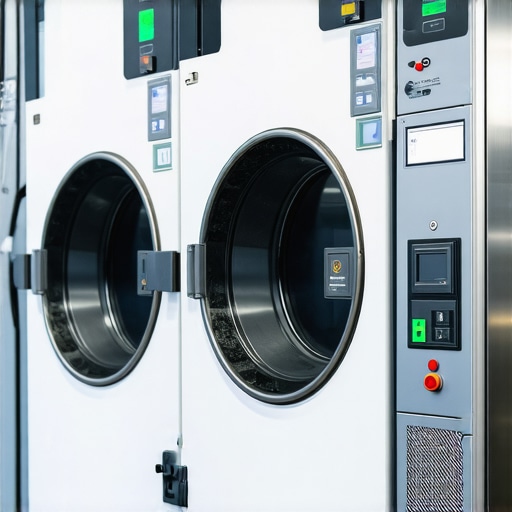
Imagine a state-of-the-art, eco-friendly dry cleaning facility with sleek ultrasonic machines, ozone generators, and smart management software—all working harmoniously to deliver exceptional results while protecting the environment. It’s possible to achieve this vision in your Tampa FL plant, especially as technology advances and consumers demand safer solutions. To get started, consider testing one of the innovative tools I mentioned, like the organic solvent systems, and see how it transforms your long-term results.
Over the years, my journey through choosing truly safe, eco-friendly dry cleaning has revealed a treasure trove of insights that aren’t commonly shared. One of the most powerful lessons I’ve learned is that certifications alone don’t guarantee safety—it’s essential to understand the specific practices behind those labels. For instance, some cleaners boast eco-certifications but still rely on questionable solvents or outdated equipment. A second revelation was realizing how much consumer vigilance influences positive change. Asking detailed questions about processes often prompts businesses to upgrade their systems, leading to safer environments for children and the planet. Lastly, the importance of staying informed cannot be overstated; as technology advances, so do the best practices in plant-based and zero-waste dry cleaning. The true benefit lies in our proactive choices, which collectively push the industry toward transparency and sustainability, ensuring that your family’s clothing care aligns with your values and health priorities.