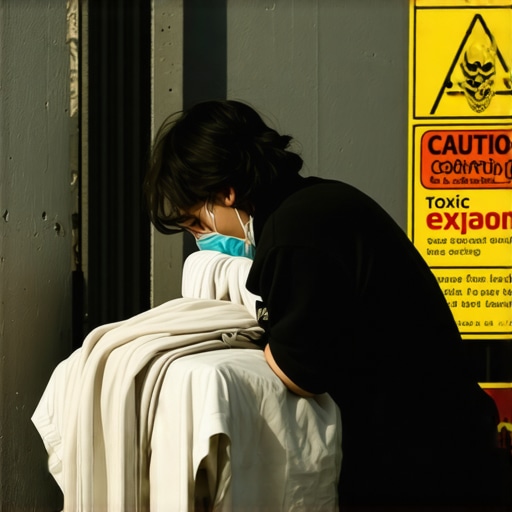
I remember the day I finally realized that my beloved suits and delicate fabrics might be hiding something sinister. I had always trusted my local dry cleaner, especially the eco-friendly spot in Palm Harbor, hoping to keep my wardrobe fresh and safe. But a subtle chemical smell left me questioning—what’s really in that smell? I used to love dropping off my high-end garments at my favorite Tampa eco dry cleaner, believing I was making a responsible choice. Yet, that persistent chemical scent lingered even after cleaning, making me wonder if I was exposing myself and my family to harmful toxins. It hit me like a lightning bolt: I had no idea what solvents were used, and whether they could be dangerous. This lightbulb moment led me down a path of research and discovery about toxic dry cleaning solvents and their often-hidden dangers. Today, I want to share what I’ve learned—so you’re not left in the dark about what might be lurking in your clothes.
Why You Should Watch for These Hidden Warning Signs
Many people are unaware that traditional dry cleaning uses chemicals like perchloroethylene (perc), associated with health risks ranging from skin irritation to more serious issues like neurotoxicity and even cancer. According to the EPA, perc is a hazardous air pollutant and a probable human carcinogen. Nowadays, more eco-conscious options are emerging, such as plant-based cleaning solvents, which are gentler and safer. But how can you tell if your dry cleaner is using toxic solvents? Recognizing the early warning signs can protect your health and your clothes. From subtle chemical smells to visible fabric damage, understanding these signs empowers you to make smarter choices. My early mistake was trusting darkened labels and glossy promises without checking what solvents they truly used. Now, I always inquire about the cleaning process and look for certified non-toxic services. Curious whether your favorite dry cleaner ticks these boxes? Let’s dive into the key warning signs that indicate you might be dealing with toxic, outdated solvents and how to spot safer alternatives.
Identify Safe and Non-Toxic Dry Cleaners
Begin by research and asking questions. Look for non-toxic dry cleaners that use plant-derived cleaning solvents. Visit local shops or call to inquire about their cleaning processes, ensuring they avoid perc and other hazardous chemicals. My experience started with a quick call to a Palm Harbor eco dry cleaner, where I learned they use eco-friendly methods, which immediately reassured me.
Prioritize Certification and Transparency
Check for certifications such as clean label standards or eco-friendly badges. Request documentation or a tour of the facility. When I visited my chosen cleaner, I saw clear labels indicating plant-based solvents and was shown their solvent recycling process, which increased my confidence in their commitment to safety.
Learn to Read Labels and Labels
Always scrutinize your garments’ care tags and ask the dry cleaner about their methods. Understand that natural fiber fabrics like silk or wool respond better to gentle, eco-friendly cleaning. Once, I brought in a silk blouse, and the staff explained their process preserves delicate fibers without chemicals, leaving my garment soft and fresh.
Opt for Plant-Based and Eco Laundry Options
Choose services that specialize in plant-based cleaning solvents. Many Tampa eco dry cleaners now offer specialized treatments for suits and delicate fabrics. I discovered a high-end eco Tampa FL service that delicately handled my expensive suits without exposure to toxic chemicals, maintaining their shape and color.
Leverage Eco Laundry and Delivery Services
Consider using the Wiregrass eco laundry delivery service for convenience and consistency. These services pick up, clean, and deliver garments directly to your home, reducing the risk of exposure and saving time. My first experience involved scheduling a pickup through their app; the process was seamless, and my suits arrived pristine, with no chemical smells or fabric damage.
Maintain Proper Fabric Care at Home
Complement professional cleaning with gentle home practices. Use natural stain removers from organic stain removal techniques and avoid harsh detergents. I learned to spot-clean my garments with eco-friendly solutions, which prolonged their freshness between professional cleanings.
Stay Educated and Make Informed Choices
Regularly update your knowledge about non-toxic options. Follow reputable blogs and guides, like clean label standards, and stay aware of new eco-friendly practices. My commitment grew as I learned how to identify and choose sustainable garment care, transforming my wardrobe into a healthier, eco-conscious collection.
Many people believe that switching to perc-free dry cleaning instantly guarantees safety and luxury for their garments, but in my experience, this assumption often misses subtle but critical nuances. A common misconception is that all plant-derived solvents are inherently safe, yet not all are created equal; some may lack the cleaning power necessary for delicate or heavily soiled fabrics. For instance, while eco-friendly options like hydrocarbons or glycol ethers are marketed as non-toxic, studies suggest they can still pose health risks if improperly used or if residues remain on clothessource.
A key trap to avoid is believing that certifications alone prove safeness — labels can be misleading or outdated. Reliable eco dry cleaners in Palm Harbor and Westchase, such as those emphasizing transparency and education, are often your best bet. Remember, the goal isn’t just chemical avoidance but understanding that some plant-derived solutions may still require specialized handling and equipment to prevent fabric damage or chemical transfer.
Let’s address a crucial question for the sophisticated reader:
Are plant-derived solvents truly a safer choice for high-end suits and delicate fabrics?
While many believe plant-based means non-toxic, the reality is that proper application and residual management are essential. For example, eco laundry services in Crystal Beach FL utilize advanced rinsing methods to eliminate any lingering solvent residues. Additionally, choosing non-toxic dry cleaners that adhere to strict guidelines, such as those highlighted in clean label standards, ensures your luxury garments receive the best care without risking fabric integrity or your health.
The danger lies in the **oversimplification** of eco claims. As I delved deeper into organic and eco-friendly cleaning processes, I discovered that expert-level understanding of solvent chemistry, fabric interactions, and residual safety is essential—especially for high-end dry cleaning in Tampa FL where consumers expect both sustainability and impeccable quality. Remember, not every green solution suits every fabric, and blindly trusting marketing can lead to costly mistakes.
In sum, the real nuance involves balancing the benefits of plant-derived solutions with meticulous application, certification validation, and a comprehensive understanding of fabric-specific needs. Have you ever fallen into this trap? Let me know in the comments. Stay informed—your wardrobe and health will thank you.Maintaining your eco-friendly dry cleaning routine requires the right tools and methods to ensure longevity and fabric integrity. One essential device I personally rely on is a handheld fabric steamer. Unlike traditional irons, a quality steamer gently relaxes fibers without direct contact, preventing damage to delicate fabrics and maintaining the garment’s shape. I use the *PureSteam Gear* because its ultrasonic technology ensures uniform steam distribution, effectively smoothing out wrinkles on sensitive textiles like silk or wool. Additionally, investing in a UV fabric sanitizer bag can be a game-changer; it helps eliminate bacteria and residual solvents from garments between professional cleanings, especially if you opt for plant-based solvents that may linger slightly longer. For routine stain removal, I swear by eco-friendly stain pens like the *EcoStainAway*, which allow precise application without risking chemical residues. Over time, integrating a gentle dehumidifier into your closet—such as the *Frigidaire FFAD7033R1*—can control moisture levels, reducing mustiness and preventing mold growth that can damage fabrics and compromise cleaning outcomes. As the trend toward sustainability advances, I predict that smart garment monitoring systems, equipped with fabric sensors and app integration, will soon become standard, ensuring proper care at every stage. Want to keep your garments pristine? Try using a handheld steamer after each wear to refresh fabrics and avoid unnecessary full cleanings, thereby extending their life and supporting the environment.
When I first switched to eco-friendly dry cleaning, I thought I was making a perfect choice for my wardrobe and health. However, my journey revealed an often-overlooked depth—it’s not just about avoiding perc but understanding the nuances of plant-based solvents and their interactions with delicate fabrics. The most valuable lesson I learned was that transparency from your dry cleaner isn’t just a bonus; it’s a necessity. Certifications can be deceptive, and labels may not tell the full story. Instead, direct conversations and facility visits became my best tools for making truly informed decisions. This insight transformed my approach from trusting labels blindly to fostering a partnership with providers who prioritize safety, transparency, and quality. It dawned on me that safeguarding my garments—and health—requires ongoing education and vigilance, not just surface-level assurances.