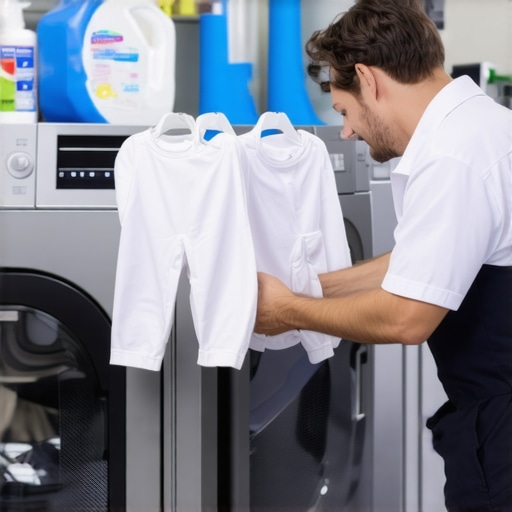
I remember the moment vividly—my little one’s skin was erupting in rashes, and I couldn’t help but wonder if her clothes’ clean smell was hiding something more sinister. That lightbulb moment made me question just how safe our laundry routines really are, especially when it comes to our most delicate and vital family members. It’s shocking to realize that many traditional dry cleaners use chemicals linked to allergies and even hormonal disruptions, which can be a real concern for babies and sensitive skin. If you’ve ever questioned what’s actually lurking in your child’s clothes, you’re not alone.
The Hidden Risks Lurking in Conventional Laundry
Many of us trust that our dry cleaner takes good care of our clothes—that they’re safe, fresh, and chemical-free. But the truth is, some cleaning methods still rely on solvents that can leave residues harmful to health. I used to think that a fresh, crisp smell was enough reassurance, but after some research, I learned that certain solvents like perchloroethylene (perc) are classified as possible human carcinogens by agencies such as the EPA. Yikes. And yet, many cleaners continue to use them because they’re effective at removing stains and odors. Whether you’re dealing with luxury furniture, hotel uniforms, or baby clothes, knowing what’s behind the scenes is crucial.
So—how can you protect your family? Today, I want to help you ask the right questions to ensure your dry cleaner prioritizes health and sustainability. Are they using eco-friendly, non-toxic methods? Do they understand the importance of clean-label laundry? It’s time to get answers.
Is The Non-Toxic Promise Just Hype?
In my early days of exploring eco laundry options, I made the mistake of trusting labels without digging deeper. I assumed that all “green” or “organic” claims were genuine, but some establishments still use questionable solvents or aggressive chemicals under the radar. It’s essential to look beyond marketing and ask direct questions—like whether they use plant-based solvents or if they can provide their safety certifications. For instance, many select eco dry cleaning services now offer [plant-based cleaning solvents](https://ecodrycleaningflorida.online/discover-plant-based-cleaning-solvents-for-fresh-fabrics) which are safer for both your family and the environment. Asking these questions isn’t just about peace of mind; it’s about taking vital steps to protect your loved ones from hidden toxins.
Choose the Right Eco Dry Cleaner in Crystal Beach FL
Begin by researching local eco dry cleaning services that specialize in plant-based, non-toxic methods. Call ahead to inquire about their cleaning solvents—ensure they use [plant-based cleaning solvents](https://ecodrycleaningflorida.online/discover-plant-based-cleaning-solvents-for-fresh-fabrics) and can provide safety certifications. Visit their facilities if possible to observe their procedures firsthand—look for a clean, organized environment emphasizing eco-friendly practices.
Ask the Hard Questions About Chemicals
Prepare a list of questions for your chosen cleaner: Do they use Perc-free solutions? Are their solvents biodegradable? Do they offer [clean-label laundry](https://ecodrycleaningflorida.online/clean-label-dry-cleaning-what-it-means-for-your-clothes)? Explain your priority for chemical-free and hypoallergenic options, especially for delicate fabrics or children’s clothing. A good cleaner will willingly share product MSDS sheets and safety data—don’t settle for ambiguous answers.
Inspect Their Cleaning Process
Request a detailed description of their cleaning process—good eco dry cleaners often use [zero-waste dry cleaning](https://ecodrycleaningflorida.online/zero-waste-dry-cleaning-revolutionizing-fabric-care) techniques that minimize chemical use and waste. If they employ [vegan dry cleaning](https://ecodrycleaningflorida.online/how-the-vegan-dry-cleaning-process-actually-works-in-2026), this indicates plant-based solvents that are safer for your family and the environment. Observe their equipment for signs of modern, eco-conscious technology—air filtration systems, closed-loop solvent recovery, and biodegradable packaging.
Prioritize Specialized Factoring for Sensitive Fabrics
If your family includes infants or individuals with sensitive skin, specify your needs for [hypoallergenic dry cleaning solutions](https://ecodrycleaningflorida.online/hypoallergenic-dry-cleaning-solutions-for-sensitive-skin). Request their methods for delicate item cleaning—look for practices like [organic stain removal techniques](https://ecodrycleaningflorida.online/organic-stain-removal-techniques-for-delicate-fabrics). Share your experiences with problematic items—such as silk or cashmere—to get tailored advice. When in doubt, seek cleaners that practice [non-toxic curtain cleaning](https://ecodrycleaningflorida.online/non-toxic-curtain-cleaning), as these techniques often extend to clothing care.
Implement At-Home Maintenance for Sustainability
Complement professional cleaning with at-home practices—regularly dry brush delicate fabrics to remove surface dirt and dust. Use [eco-friendly stain removal](https://ecodrycleaningflorida.online/organic-stain-removal-techniques-for-delicate-fabrics) methods like diluted plant-based detergents or vinegar solutions for minor stains before drop-off. Store clothes in breathable, chemical-free garment bags, and avoid fabric softeners that contain synthetic fragrances or chemicals.
Schedule Regular Pickups with Eco-Friendly Services
Set up [eco-friendly home pickup services](https://ecodrycleaningflorida.online/how-palm-harbor-professionals-save-hours-with-eco-friendly-suit-pickup) to maintain a consistent, minimized environmental impact. Confirm their use of [plastic-free](https://ecodrycleaningflorida.online/3-new-steps-for-plastic-free-garment-care-via-tampa-eco-pickups) or biodegradable packaging. Regular pickups help avoid last-minute rushed cleaning, which often leads to the use of aggressive chemicals, thus promoting healthier clothing and healthier skin for your family—particularly vital during Florida’s humid summers when clothing needs frequent care.Many assume that choosing a ‘green’ or ‘non-toxic’ dry cleaner automatically guarantees safety for delicate fabrics and sensitive skin. However, this oversimplification can lead to overlooked pitfalls. For instance, some facilities label themselves as eco-friendly but still rely on minimal, undisclosed chemical treatments that may carry residual risks. The truth is, not all green certifications are equal; understanding the nuances of certifications like GOTS or OEKO-TEX can help you identify truly safe practices.
What Advanced Techniques Exist to Ensure True Non-Toxic Cleaning?
One critical aspect often missed is the use of advanced organic stain removal methods, which are vital for preserving fabric integrity without harsh chemicals. Techniques such as organic enzyme-based spot treatments significantly reduce chemical footprints, aligning with the principles of clean-label laundry. Additionally, innovations like zero-waste dry cleaning leverage closed-loop systems that prevent solvent emissions, turning sustainable claims into actual outcomes. According to a study published in the Journal of Cleaner Production, implementing these methods can reduce environmental impact by up to 85% compared to conventional approaches.
Many people fall for the myth that plant-based solvents are too fragile to clean thoroughly. In reality, modern eco dry cleaners employ highly effective, plant-derived solvents that match or surpass traditional solvents in stain removal prowess. For example, tallow-based detergents have been gaining popularity because they provide deep cleaning while remaining non-toxic and biodegradable, fitting perfectly into clean-label laundry practices. This misconception can trap consumers into settling for superficial cleanliness, neglecting the advanced science behind true eco cleaning.
Another often overlooked nuance lies in the maintenance of fabrics post-cleaning. Some establishments fail to educate clients that proper at-home care—like using breathable garment bags and avoiding synthetic softeners—prolongs freshness and safety. Regularly inspecting laundry practices, such as verifying whether your cleaner’s process is certified for hypoallergenic or non-toxic curtain cleaning, ensures ongoing protection. Remember, a one-time inquiry won’t suffice; consistent verification is crucial for sustained peace of mind.
Finally, for hotel or commercial clients, implementing eco-friendly systems in uniform cleaning isn’t just about branding; it directly impacts health and compliance. Many don’t realize that shifting to green dry cleaning solutions could meet LEED standards and improve indoor air quality significantly. Choosing a dry cleaner with expertise in sustainable garment care—like those specializing in eco hotel uniform maintenance—can translate into better occupant health and compliance with stricter environmental regulations. Have you ever fallen into this trap? Let me know in the comments.Maintaining a non-toxic, eco-friendly laundry routine requires more than just choosing the right cleaner; it depends on the right equipment and techniques that ensure consistent results over time. One indispensable tool I personally rely on is a professional-grade organic stain removal kit, which uses plant-based enzymes proven to effectively lift stains without harming delicate fabrics or leaving chemical residues. These kits, such as the environmentally safe options detailed in [organic stain removal techniques](https://ecodrycleaningflorida.online/organic-stain-removal-techniques-for-delicate-fabrics), empower you to pre-treat stains at home, prolonging the life of your garments while maintaining their eco integrity.
Throughout my journey exploring non-toxic and green laundry practices, I realized that the greatest lessons often come from uncovering what’s hidden beneath the surface. One lightbulb moment was recognizing how even well-intentioned eco dry cleaners might still use low-grade, questionable solvents despite boasting green credentials. This made me question the authenticity of labels and certifications, prompting me to dig deeper into what truly defines a safe, non-toxic cleaning process. Additionally, I learned that mastering at-home stain removal with plant-based solutions can be as crucial as relying on professional services, especially when handling delicate fabrics like silk or cashmere. Finally, I discovered that consistent verification—asking the right questions and observing the practices of your chosen eco dry cleaner—ensures that your family’s health isn’t compromised by hidden chemicals lurking in clothes and linens.