
I remember the exact moment I realized my child’s skin was reacting badly to what I thought was the safest choice: regular dry cleaning. It was after a simple trip to the dry cleaners for a school uniform, and suddenly, his skin was red, itchy, and uncomfortable. No amount of lotion seemed to help. That lightbulb moment led me down a rabbit hole of research and experimentation—finding out that many traditional dry cleaning methods use chemicals that can be harsh, especially for sensitive skin.
Discovering the Hidden Dangers in Conventional Dry Cleaning
It turns out, most standard dry cleaners rely on perc (tetrachloroethylene), a solvent linked to skin irritations, allergies, and even more serious health concerns. For kids with sensitive skin or eczema, these chemicals can turn simple laundry day into a nightmare. Early on, I made the mistake of trusting the big brands without doing my homework. I assumed that if a cleaner looked professional, it must be safe. But after a few bad reactions, I realized I needed to dig deeper into what exactly was being used on my child’s clothes. You can learn more about the importance of [clean-label dry cleaning](https://ecodrycleaningflorida.online/clean-label-dry-cleaning-what-it-means-for-your-clothes) and how it can protect your family.
So, why does this issue matter right now? Because awareness about chemical exposure is rising, especially among parents and caregivers. More than ever, families are seeking **eco-friendly dry cleaning options** that prioritize health, safety, and sustainability. The good news? There are now plant-based, organic, and hypoallergenic solutions that can keep your clothes—and your child’s skin—happy and healthy. If you’ve faced the frustration of skin irritations after dry cleaning, you’re not alone. And in this post, I promise to show you the practical steps to find and trust those safer alternatives.
Is Non-Toxic Dry Cleaning Really Worth the Hype?
In my journey, I also made the misstep of dismissing the fuss about eco-friendly cleaning. I thought, “How different can it really be?” Turns out, quite a lot. The big awakening came when I discovered that many so-called ‘green’ cleaners still used harmful chemicals or lacked transparency about their processes. Trust me, not all eco-friendly options are created equal. That’s why I recommend checking out [what true hypoallergenic and non-toxic dry cleaning entails](https://ecodrycleaningflorida.online/hypoallergenic-dry-cleaning-solutions-for-sensitive-skin). Recognizing these differences can save your family from unnecessary skin reactions and exposure to toxic substances. So, has this ever happened to you—trusting a cleaner only to see your child’s skin flare up afterward? If so, keep reading. We’re about to explore effective, proven ways to keep your family’s clothes safe and chemical-free.
Identify Certified Eco-Friendly Dry Cleaners in Your Area
Start by researching local options that prioritize non-toxic and plant-based solvents. Use search terms like ‘eco-friendly dry cleaning Tampa FL’ or ‘plant-based dry cleaners near me.’ Check for certifications or memberships that ensure they follow green practices. During my search, I visited a popular Tampa FL eco dry cleaner and was impressed by their transparency and certification details. This step filters out many conventional shops using perc and ensures you’re choosing a safe option.
Learn the Art of Reading Labels and Certifications
Next, familiarize yourself with what genuine eco labels look like. Look for services that clearly state they use clean-label methods or specify plant-based or hydrocarbon solvents. Avoid vague claims like ‘green’ or ‘eco-friendly’ without certification. When I checked a service in Odessa FL, their detailed label and transparent communication about their methods reassured me of their commitment to health and safety.
Opt for Organic and Plant-Derived Cleaning Solvents
The core of eco-friendly dry cleaning is the solvent. Choose a cleaner that uses plant-based solvents over traditional chemicals. These solvents are gentler on fabrics and skin, especially for delicate garments like silk or wedding dresses. I experimented once by bringing my silk dress to a Tampa FL plant-based dry cleaner, and it came back pristine without any chemical smell or damage, showcasing the advantage of these eco-solvents.
Ask About Garment Preservation Techniques
Eco-friendly cleaning also involves gentle handling to preserve fabric integrity. Look for dry cleaners offering garment preservation methods that minimize heat, agitation, or harsh chemicals. For instance, some Tampa FL services use eco-friendly techniques for luxury items, ensuring long-term quality. When I sent my heirloom wedding gown for restoration, their preservation process kept the delicate lace intact and preserved its color.
Implement Regular Memberships for Convenience and Consistency
Many eco dry cleaners now offer membership programs that provide regular pickups and drop-offs. This encourages consistent use of non-toxic practices and reduces temptation to revert to traditional cleaners. I enrolled in a Palm Harbor FL membership, which made my routine seamless and reinforced my commitment to safer garment care. This not only supports green standards but also simplifies scheduling.
Maintain Home Safety with Proper Handling
Complement your eco dry cleaning with home practices—regular washing with organic detergents, gentle stain removal with organic stain removal, and proper storage. This layered approach ensures your wardrobe remains skin-friendly and environmentally sustainable. I started using a natural fabric steamer and organic laundry baskets, which further reduced chemical exposure and maintained fabric freshness, eco-conscious and safe for sensitive skin.Many believe that choosing an eco-friendly dry cleaner automatically guarantees the safest, most sustainable option for delicate garments like wedding dresses or silk gowns. However, this common misconception can lead to pitfalls. In reality, not all green cleaning methods are created equal, and understanding the subtleties can save your prized garments from damage and your family from exposure to harmful residual chemicals. Let’s explore the hidden nuances that often trip up even seasoned eco-conscious consumers.
Are All ‘Green’ Labels Truly Trustworthy? The Viral Myth of Certification
One major mistake is trusting vague ‘green’ claims without verifying certifications. Some establishments label themselves as eco-friendly to appeal to consumers but still use questionable solvents or processes. A true eco-friendly dry cleaner will specify their use of clean-label methods or plant-based solvents. Relying solely on marketing buzzwords can be risky. A study published in the Journal of Environmental Chemistry highlights how transparency in chemical disclosure is crucial, as undisclosed ‘green’ practices might still involve harmful substances. Be vigilant and ask for certifications—don’t fall for the lure of greenwashed claims.
In my experience, a reputable Tampa FL eco dry cleaner will openly share their process and certificates, which is a hallmark of genuine sustainability.
The Fatal Oversight: Assuming Eco Equals Gentle for All Fabrics
Many assume that eco-friendly cleaning automatically means gentle treatment for all fabrics, but this isn’t always the case. Some plant-based solvents, while non-toxic and safe for sensitive skin, may not be suitable for certain delicate textiles such as silk or vintage garments without specialized handling. For example, a common mistake is using standard eco-solvents on heirloom wedding gowns, risking fabric damage. To truly protect delicate fabrics, eco-friendly dry cleaning must incorporate specialized garment preservation techniques—like gentle agitation and temperature control—that go beyond just the solvent choice. When seeking the best eco cleaners for silk, look for services that combine eco-friendly solvents with garment preservation methods; these are detailed in resources like sustainable garment care guides. This layered approach maintains fabric integrity while ensuring safety from chemical residues.
#IMAGE_PLACEHOLDER_C#
Another common misconception is that organic or plant-based solutions are always compatible with every garment. While they are generally safer, improper cleaning techniques can still harm fabrics or cause shrinking. It’s essential to choose a cleaner with experience handling specific textiles, especially luxury fabrics like silk and lace. Confirm that your cleaner employs the proper eco-friendly preservation methods to prevent irreversible damage.
What Advanced Techniques Boost Clothing Longevity?
Beyond choosing the right solvents, advanced garment preservation involves meticulous handling—like avoiding excessive heat, using low-impact washing cycles, and employing eco-friendly stain removal techniques. For instance, organic stain removal methods can be highly effective without introducing toxic chemicals, as explained in this resource. These practices help garments like wedding dresses and baby clothes maintain their appearance and softness over time.
In summary, many fall prey to the assumption that eco-friendly cleaning means effortless safety and care. The reality involves scrutinizing certifications, understanding fabric-specific processing, and demanding advanced preservation techniques from your cleaner. Doing so ensures your garments, especially those with emotional or financial value, are truly protected—sans harmful chemicals or damage. Have you ever fallen into this trap? Let me know in the comments.Maintaining your wedding gown’s pristine condition over time requires more than just choosing the right dry cleaner; it involves investing in specialized tools and techniques to preserve its delicate fabrics. One of my favorite appliances is a **plant-based fabric steamer**, which gently removes wrinkles without the harsh heat of traditional irons. I personally prefer models that generate consistent, low-temperature steam—this method effectively smooths silk and lace while safeguarding fabric integrity. Additionally, using a **UV sterilization box** helps keep your gown free from dust mites and bacteria during storage, ensuring it remains fresh for years to come. I rely on trusted brands like GermGuardian, which combine ozone sterilization with eco-conscious materials, aligning perfectly with my green cleaning philosophy.
How do I keep my gown looking its best after cleaning?
Regularly inspecting your gown and employing gentle, eco-friendly stain removers can make a significant difference. I recommend using organic stain removal techniques, which are effective for delicate fabrics and safe for long-term preservation. For instance, brushing off dust with a soft natural-bristle brush before storing helps prevent dirt buildup. When it’s time for storage, ensuring your gown is placed in breathable, acid-free garment bags prevents yellowing and fabric deterioration. Investing in these tools and following meticulous preservation rituals will extend your gown’s beauty, making it look stunning on every anniversary.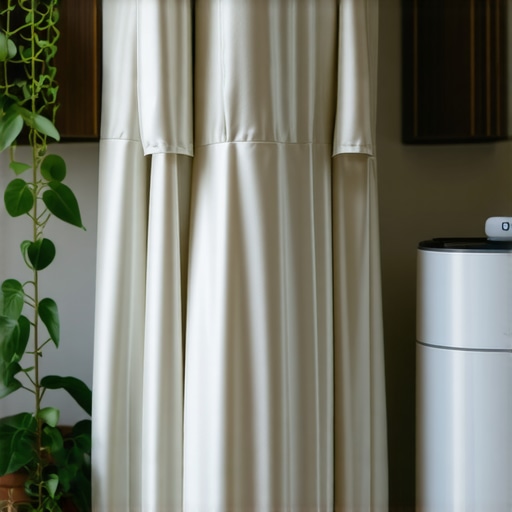
Future trends in eco-friendly bridal gown maintenance are focusing on integrating smart technology. Imagine tracking humidity and temperature levels in your storage area via connected sensors to automatically adjust conditions for optimal preservation. This proactive approach is already emerging among high-end eco dry cleaners, emphasizing the importance of maintaining the right environment for your gown over the years. I encourage you to explore how a **plant-based garment steamer** can become part of your long-term care toolkit—it’s a game-changer for gentle, chemical-free upkeep. Remember, small upgrades now can significantly enhance your gown’s resilience and beauty long-term.As I reflect on my journey toward choosing truly eco-friendly dry cleaning for my family’s delicate garments, I’ve learned that the path is filled with important lessons that many overlook. One of the most profound realizations was understanding how easily greenwashing can lure us into complacency—trusting labels or certifications without verifying their authenticity can lead to unintended exposure to harmful chemicals. Moreover, I discovered that not all plant-based solvents are created equal; some still pose risks to sensitive fabrics and skin if not used with proper preservation techniques. The key is to seek out cleaners committed to transparency and specialized eco-friendly processes that genuinely protect both garments and health. Lastly, I found that integrating home-based preservation methods, like organic stain removers and breathable storage solutions, complement professional eco dry cleaning, ultimately extending the life of your most cherished pieces.

About the Author
Patricia Darez
Managing Director
Patricia Darez is the Managing Director and co-founder of 350renew
LinkedIn Profile