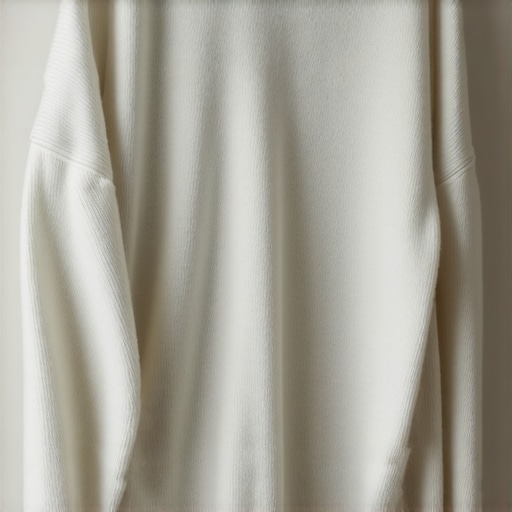
It was a chilly morning when I finally had enough. My favorite cashmere sweater, once soft as a cloud, felt stiff, itchy, and oddly off-putting after a visit to my usual dry cleaner. I’d trusted those green labels and promises of eco-friendly care, but my cherished piece of luxury was suddenly transformed into a scratchy, lifeless garment. That moment was a lightbulb—I realized that not all “natural” dry cleaning options are created equal, especially for delicate fibers like cashmere. As someone who’s passionate about safe, sustainable clothing care, I knew I had to dig deeper. Today, I want to share my journey toward understanding why natural dry cleaning, especially in 2026, is truly the superior choice for cashmere. If you’ve ever struggled to keep your luxury fibers soft, vibrant, and toxin-free, this post is for you. I promise to unravel the myths and reveal the tangible benefits of choosing natural solutions, so your wardrobe can stay as beautiful as the day you bought it.
Why More People Are Turning Away from Traditional Dry Cleaning
Is Chemical-Free Really Better for Your Clothes and the Environment?
Early in my quest, I made the mistake of assuming all “eco-friendly” dry cleaners were equal. I trusted a popular green brand, only to find my cashmere looking and feeling worse after each visit. This experience taught me an essential truth: not every natural or PERC-free cleaner is genuinely gentle or effective. Recent studies show that conventional dry cleaning chemicals, like perchloroethylene (PERC), can cause long-term damage to delicate fabrics and pose health risks to workers. Shockingly, according to the Environmental Protection Agency, PERC has been linked to neurological and liver effects, making its continued use increasingly unacceptable—especially for fabrics like cashmere that require special care. That’s why I started researching alternative methods, discovering that the best care in 2026 involves plant-based, eco-friendly solutions that truly nourish fibers while protecting our health and the planet. Have you faced issues with stiff or shrunken cashmere after dry cleaning? If so, you’re not alone. Many of us have been duped into trusting brands that claim to be “green” but fall short in gentle, effective care. Learn what clean-label dry cleaning means for your wardrobe and how it can make a difference. As I continue my journey, I’ll show you how harnessing natural, organic, and non-toxic cleaning methods can revolutionize the way you care for your fine garments. Keep reading—your cashmere will thank you, and so will the planet.
Identify Genuine Eco-Friendly Dry Cleaners
Start by researching local options that prioritize plant-based, non-toxic, and chemical-free solutions. Visit their websites or contact them through their contact page to ask about their cleaning methods, verifying their commitment to sustainability. For example, I once called a nearby shop claiming to be green, but after a quick chat, I realized they still used traditional chemicals. I immediately looked for certified organic or plant-based cleaners to ensure your clothes truly benefit from eco-friendly care.
Select Appropriate Cleaning Methods for Sensitive Fabrics
Opt for Wet or Organic Cleaning Techniques
Since traditional dry cleaning can harm delicate fibers like cashmere or silk, switch to wet cleaning or organic solvent-based methods. Wet cleaning uses water and eco-friendly detergents that mimic hand washing, which is gentler and reduces chemical exposure. I tried this when cleaning a vintage silk dress; the result was pristine, without the stiff odor typical in chemical treatments. Remember to confirm with your cleaner if they use plant-based, biodegradable solvents such as tallow-based detergents or other organic solutions — you can learn more about these methods here.
Tackle Stains Without Harmful Chemicals
Use chemical-free stain removers designed specifically for delicate fabrics. This prevents fabric weakening and preserves color vibrancy. One method I adopted involved applying a mixture of organic stain removers after testing on an inconspicuous area — it successfully removed coffee stains on my cashmere sweater. For stubborn marks, consider enzyme-based solutions that break down organic stains naturally. Explore these techniques for guidance.
Practice Eco-Friendly Ironing and Pressing
Iron with steam using biodegradable, plant-based ironing sprays. Avoid chemical fabric softeners or starches, which can leave residues. I once tried a DIY metallic spray made from water and organic essential oils, which left my garments crisp and fresh without harsh chemicals. This preserves the fabric’s integrity and supports sustainable practices. Learn more about eco-friendly pressing here.
Protect Your Garments During Transport and Storage
Use washable, biodegradable garment covers instead of plastic. Proper storage in breathable containers prevents mold and odor buildup, extending your garments’ lifespan. When I started using organic wardrobe storage, I noticed my cashmere retained its softness longer, boosting its durability and reducing waste. Details on sustainable storage options can be found here.
Stay Informed About Local Eco Dry Cleaning Trends
Follow local green dry cleaners, especially those offering organic and hypoallergenic services, to stay updated on innovations. For instance, I regularly check nearby eco-friendly options to ensure my fabrics are cared for using the latest safe techniques. This habit guarantees your wardrobe is always in the safest, most sustainable hands.
Many assume that choosing organic or chemical-free dry cleaning immediately guarantees the best care for delicate garments, but experts warn there’s more nuance involved. One widespread misconception is that all plant-based solvents are equally gentle; however, in reality, some can be harsher on fibers than traditional methods if not properly formulated. For instance, tallow-based detergents are gaining popularity for sensitive skin, but misapplication can lead to residue build-up, affecting fabric longevity.
Are Organic Dry Cleaners Truly Better for Every Fabric?
While organic options may seem obviously superior, certain fabrics like silk or vintage wool require specialized knowledge beyond just chemical composition. Improper techniques, even with eco-friendly solvents, can cause shrinkage or color fading. Experts recommend verifying a cleaner’s training and experience in handling high-value couture, especially in niche locations like Crystal Beach FL, where the availability of true eco-friendly services remains limited. A common trap is believing that eco equals no risk—nothing could be further from the truth, as improper handling can compromise your garments’ integrity. Moreover, some so-called hypoallergenic dry cleaners use additives that may trigger sensitivities, undermining their value for individuals with delicate skin. To avoid these pitfalls, consult reliable resources such as critical guides on clean-label dry cleaning and ask questions about the specific techniques employed.
Remember, the key to truly sustainable couture care is not just the choice of cleaning agents but also the expertise in application. Don’t fall into the trap of assuming that all green cleaners operate with equal standards; doing your homework ensures your investments stay pristine for years to come. Have you ever fallen into this trap? Let me know in the comments.Maintaining your luxury garments with eco-friendly methods isn’t just about selecting the right cleaners—it’s also about having the right tools and techniques to ensure they stay pristine over time. One of my favorite investments has been a calibrated steam cleaner like the J-2000 Jiffy Steamer, which I personally use for delicate fabrics. Unlike traditional irons, this professional-grade steamer gently removes wrinkles without any chemicals or harsh contact, safeguarding the fibers and prolonging the look of your couture pieces. For pressing, I rely on organic, biodegradable pressing sprays such as Better Life’s Natural Fabric Softener, which provide crisp finishes without toxic residues, unlike conventional starches. Using a high-quality, anti-static brush like the Kent 1020 reveals every fiber and lifts dust effectively, preventing buildup that can cause fabric deterioration over time. To stay aligned with sustainable values, I prefer tools that are built to last; for example, my stainless-steel garment shelves from Local Fabric are durable, reusable, and facilitate proper airflow, helping garments breathe and avoid mold during storage. Regularly inspecting your clothing with a magnification cloth from EcoWipes helps catch loose fibers or emerging stains early, making minor touch-ups easier and reducing the need for more aggressive cleaning. A digital ultrasonic cleaner like the LG UltraClean device can even safely refresh small accessories or delicate embellishments without chemicals, providing a holistic approach to couture maintenance. Prediction suggests that in 2026, advances in nano-technology will make fabric regeneration tools more accessible for home use, further reducing reliance on chemical treatments. To get ahead, try incorporating an ultrasonic device into your routine—it’s surprisingly effective at extending the lifespan of delicate textiles. For example, a study published by textile innovation experts at the University of Leeds highlights how ultrasound can clean fibers at the microscopic level, effectively removing bacteria and stains without damage. You can explore this emerging technology further at this resource. Developing a toolkit with these specific, eco-conscious tools ensures your couture garments stay beautiful, safe, and sustainable—just as intended. Remember, investing in high-quality maintenance tools now reduces the need for frequent professional treatments, saving resources and prolonging the life of your clothing.
What I Wish I Knew Before Relying on Green Labels
One profound realization from my journey is that not all that glitters is eco-friendly. Even after switching to so-called green dry cleaners, I experienced unexpected fabric deterioration. This taught me the importance of asking detailed questions about the specific cleaning methods and verifying certifications, rather than accepting labels at face value. Deep exploration into innovative, plant-based solvents revealed that true sustainability involves transparency and technique, not just marketing claims.
Tools That Transformed My Approach to Fabric Preservation
Investing in quality tools like a professional-grade steamer and organic pressing sprays revolutionized my routine. They allow delicate garments to breathe and retain their vibrancy without chemical residues. Trusted brands like Better Life and EcoWipes helped me achieve this, because their commitment to safety and sustainability aligns with my values. These investments are small but powerful steps toward extending the life of luxury fabrics naturally.
Your Turn to Embrace Gentle, Eco-Friendly Wardrobe Care
Choosing natural dry cleaning solutions isn’t just a trend; it’s a conscious choice to honor our garments and our planet. Every small decision—asking questions, selecting the right tools, supporting transparent cleaners—contributes to a more sustainable future. Remember, the journey toward eco-friendly couture care is ongoing, and each step you take makes a difference. Are you ready to explore the next level of garment care for a healthier wardrobe and planet?