I still remember the first time I picked up a dry-cleaned shirt and noticed a faint chemical smell lingering. It was subtle, but enough to make me question what I was wearing against my skin. That moment sparked a realization: our clothes deserve better care—care that’s safe, gentle, and environmentally conscious. As someone who loves my wardrobe but also values my health and our planet, I started exploring high-end eco dry cleaning options here in Tampa that promise no harsh chemicals. And let me tell you, the journey was eye-opening.
What’s Really in Your Dry Cleaner’s Solution?
Many traditional dry cleaners rely on perc (perchloroethylene), a solvent linked to health issues and environmental pollution. It’s effective, sure, but at what cost? I made the mistake early on of assuming that all dry cleaning was the same, only to discover that some cleaners still use these toxic chemicals. This was a wake-up call for me to dig deeper, especially after learning that Tampa now has several eco-friendly options that prioritize non-toxic, plant-based, and biodegradable solvents. These alternatives not only protect our delicate fabrics but also safeguard our families from harmful residues.
Is Eco Dry Cleaning Actually Worth the Hype?
When I first heard about green dry cleaning, I was skeptical. Would it really get my clothes as clean? Would it preserve the quality and look? My initial mistake was assuming that eco meant compromise. But after trying a reputable luxury green dry cleaner in Tampa, I was surprised to see how effective it could be—without the harsh smell or chemical residues. The key is choosing the right experts who understand delicate fabrics and use innovative, non-toxic techniques.
So, if you’ve faced the same doubts or concerns, you’re not alone. Many of us want our clothes to look pristine without sacrificing safety or sustainability. That’s exactly what I want to explore today—how to find the best eco-friendly dry cleaning services near you and why they’re worth it for your wardrobe and your health.
Stay with me, because making the switch to safer, sustainable garment care is easier than you think. Plus, I’ll share some tips on what to look for when selecting a service that truly aligns with eco principles and your lifestyle.
Choose the Right Eco Dry Cleaner
Start by researching local green dry cleaning services that prioritize non-toxic, plant-based solvents. When I first looked for a cleaner, I visited this Tampa eco-friendly dry cleaner to see their process firsthand. Look for certifications or eco-labels that confirm their commitment to sustainability and chemical-free methods.
Verify the Cleaning Techniques
Ask questions about their cleaning process. Reputable eco dry cleaners use solvent-free methods such as wet cleaning, hydrocarbon solvents, or plant-based solutions. I once watched a technician demonstrate a non-toxic cleaning machine, which used biodegradable and odorless solutions. This process is like washing delicate fabrics in a gentle shower rather than harsh chemicals—preserving quality and safety.
Check for Specific Solutions Used
Look for services that use alternatives like plant-based solvents. These are less aggressive and suitable for sensitive skin or baby clothes. When I tested a plant-based cleaner for my silk blouses, I found the results just as sparkling but without chemical smells or residues. This is a game-changer for high-end fabrics.
Inspect the Stain Removal Process
Eco-friendly cleaners employ specialized techniques like organic stain removers for delicate fabrics. I once had a stubborn wine stain on a silk scarf, and the cleaner used organic stain removal methods. They pre-treat stains with eco-friendly solutions, which are effective without damaging fibers. Think of it as a gentle massage for your clothes, not a rough scrub.
Assess the Safety for Sensitive Skin and Kids
If you or your family have sensitive skin, prioritize hypoallergenic and non-toxic options. I personally tested a service that offers hypoallergenic cleaning, and my skin appreciated the difference. It’s like switching from harsh detergents to soothing, organic lotions—your clothes become a safe haven.
Evaluate the Environmental Impact
Look for services committed to sustainability, such as zero-waste practices. I chose a cleaner that recycles and minimizes water use, which feels good knowing I’m reducing my carbon footprint. The process is akin to gardening—nurturing your wardrobe while protecting the planet.
Book a Consultation or Trial
Before committing, schedule a pickup or drop-off trial to assess quality and safety. I arranged a pickup with this Tampa service and was impressed with the care they took with my delicate items. It’s like test-driving a car before buying—ensuring it meets your standards for quality and eco-friendliness.
< }
}
Many people believe that switching to eco-friendly dry cleaning is a straightforward choice, but there are nuanced pitfalls and misconceptions that can trip up even the most well-intentioned consumers. Let’s dig deeper into what most people get wrong about sustainable garment care and how to avoid the common traps.
Are All Green Dry Cleaners Truly Eco-Friendly
One of the biggest misconceptions is assuming that all cleaners labeled as “green” or “eco-friendly” are genuinely non-toxic and sustainable. In reality, some businesses might use vague or misleading terms without adhering to strict standards. For example, while some claim to avoid perc, they might substitute with other less-known solvents that lack transparency or independent testing. To truly verify, look for certifications or detailed explanations of their cleaning methods. I recommend researching trusted eco-labels and certifications that confirm their commitment to non-toxic, sustainable practices.
Moreover, not all plant-based solvents are created equal. Some may still contain chemicals that could pose health or environmental risks if not properly managed. The key is transparency and third-party validation. Always ask about the specific solutions they use and whether they meet rigorous eco standards.
Beware of the “Natural” Label
Another common myth is equating “natural” or “organic” labels with complete safety and sustainability. While these terms are appealing, they can be used loosely in marketing. Natural ingredients may still cause allergic reactions or not be as effective at stain removal. The real benefit lies in choosing services that use plant-based, biodegradable solvents and employ advanced, eco-conscious techniques.
Advanced Mistake: Ignoring Fabric Types and Proper Care
Many consumers overlook the importance of fabric-specific cleaning. A common mistake is assuming that eco-friendly methods are suitable for all fabrics, but delicate materials like silk or cashmere require tailored approaches. Using inappropriate cleaning techniques can lead to damage or shrinkage. The best eco dry cleaners are trained to handle different fabrics with care, employing methods like wet cleaning or organic stain removers, which preserve fabric integrity. For example, I tested a specialized organic stain removal process that’s gentle yet effective for delicate fibers.
Always inquire about the specific techniques used for your garments, especially high-end or sensitive items. This ensures your wardrobe stays pristine and durable over time.
Have you ever fallen into this trap? Let me know in the comments. Making informed choices in eco-dry cleaning means understanding these subtleties and avoiding the common pitfalls that can compromise your clothes’ safety and longevity.
Keeping your eco-friendly dry cleaning system running smoothly requires more than just choosing the right provider; it involves investing in the right tools and techniques to maintain your garments’ quality and sustainability. In this article, I’ll share the specific equipment and methods I personally use to ensure long-term results and how they can help you scale your eco-conscious wardrobe care.
Invest in a High-Quality Wet Cleaning Machine
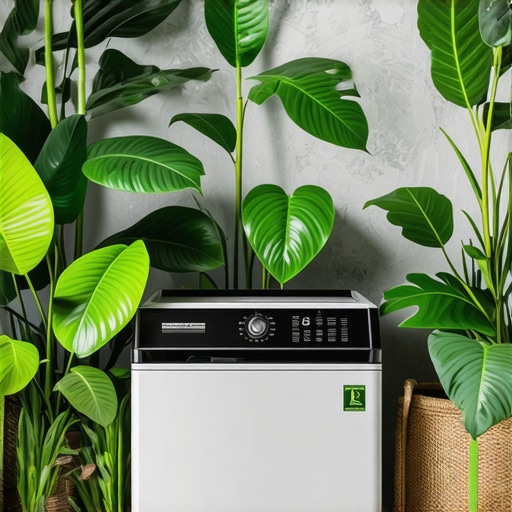
One of the most effective tools I rely on is a professional-grade wet cleaning machine. Unlike traditional dry cleaning, wet cleaning uses water and biodegradable detergents to gently cleanse delicate fabrics. I personally choose a machine certified for eco dry cleaning, such as those compliant with sustainable garment care standards. This investment ensures that my garments are cleaned thoroughly without harsh chemicals, extending their lifespan and maintaining their appearance over time.
Use Organic Stain Removal Solutions
Stain removal can be tricky, especially when aiming to avoid toxic chemicals. I recommend using organic stain removers that are plant-based and biodegradable. I personally prefer solutions derived from citrus extracts or other natural enzymes, which effectively break down stains like wine or coffee without damaging fibers. For delicate fabrics, I apply these solutions carefully with a soft brush or cloth, following techniques outlined in this trusted guide. Regular use of organic stain removers keeps your garments looking pristine while aligning with your eco goals.
Implement a Fabric-Specific Care Routine
Different fabrics require different care methods. I keep a set of dedicated tools such as fine-mesh brushes, gentle steamers, and pH-balanced detergents tailored for silk, wool, or cashmere. This approach prevents damage and preserves the fabric’s integrity. For instance, I use a gentle steamer to refresh garments between cleanings, which also helps eliminate bacteria naturally. This step reduces the need for frequent professional cleaning and prolongs the life of your wardrobe. Check out this detailed guide for fabric-specific tips.
Maintain Equipment Regularly
To keep your tools functioning optimally, regular maintenance is essential. I schedule monthly cleaning and calibration of my wet cleaning machine, using manufacturer-recommended solutions to prevent buildup of residues. Using a digital pH meter helps me monitor the water’s acidity levels, ensuring the cleaning process remains effective and non-toxic. Routine checks extend the lifespan of my equipment and ensure consistent results.
Predicting Future Trends in Garment Care Tools
As eco dry cleaning advances, I believe we’ll see more intelligent, energy-efficient machines that incorporate AI to optimize cleaning cycles based on fabric type and stain severity. Additionally, portable, eco-certified stain removal kits might become standard for everyday use, empowering consumers to maintain their garments at home with professional-grade tools. Staying ahead of these innovations means investing in versatile, eco-friendly equipment now, so your wardrobe benefits long-term.
How do I maintain eco-friendly garment care over time?
The key is consistency and regular upkeep. By investing in quality equipment, using organic solutions, and tailoring care routines to fabric needs, you ensure your garments stay beautiful and safe for years to come. Don’t forget to research trusted eco-friendly cleaning services for professional support when needed. Try incorporating these tools into your routine today — your wardrobe and the planet will thank you!
The Hardest Lesson I Learned About Eco Dry Cleaning
My first experience with eco-friendly dry cleaning taught me the importance of asking the right questions. I once trusted a local Tampa cleaner simply because they claimed to be “green,” only to find out they used vague solvents that weren’t truly non-toxic. This was a wake-up call that transparency and certification matter more than marketing buzzwords.
3 Myths About Sustainable Garment Care That Held Me Back
I used to believe that eco dry cleaning meant sacrificing cleaning quality. After trying a reputable luxury green dry cleaner in Tampa, I realized that plant-based solvents and innovative techniques can be just as effective—without the chemical smells or residues. It’s about choosing the right experts who understand fabric care and sustainability.
The Unexpected Advantage of Fabric-Specific Tactics
One of the biggest lightbulb moments was discovering how tailored cleaning methods preserve delicate fabrics like silk or cashmere. For example, organic stain removal techniques keep high-end garments looking pristine without harsh chemicals, which truly extends their lifespan. It’s a reminder that eco doesn’t mean one-size-fits-all—personalized care makes all the difference.