I remember the moment clearly—pulling my favorite silk blazer out of the closet only to notice a strange chemical smell. It was subtle, but enough to make me question what exactly was lurking in that fabric treatment. That realization hit me like a ton of bricks: I had no idea if my dry cleaning was silently exposing me and my family to harmful toxins. And if I’m honest, I haven’t been alone in this ignorance. Many of us trust our dry cleaners without a second thought, believing that a quick spin in the solvent is harmless. But with upcoming regulations targeting toxic chemicals, I knew I had to dig deeper.
Why We Can’t Ignore the Hidden Dangers of Dry Cleaning
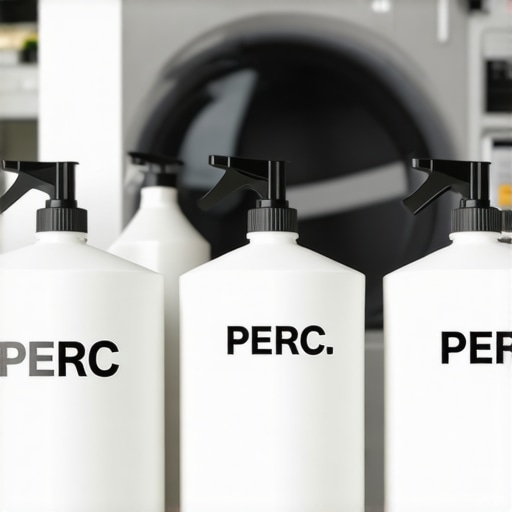
Look, I’ve made the mistake of assuming all dry cleaners are eco-friendly just because they claim to be. Early on, I literally picked a shop based on how shiny my clothes looked afterward—and overlooked the chemicals behind the scenes. That was a mistake. The truth is, certain chemicals used in conventional dry cleaning, like perchloroethylene (Perc), are linked to health issues ranging from respiratory problems to increased cancer risk. In fact, a study published in Environmental Health Perspectives highlights that exposure to Perc can be more hazardous than most of us realize, especially over time.
Now, as Tampa prepares for stricter regulations in 2026, the question isn’t just about cleanliness—it’s about safety. If your dry cleaner relies on Perc or similar chemicals, those red flags might be signaling trouble ahead. Today, I want to help you identify these warning signs so you can confidently choose healthier options for your wardrobe and well-being. Have you noticed any unusual chemical smells or lingering odors on your garments? If so, you’re not alone, and there’s a better way. Keep reading, because understanding these red flags can save you from unnecessary risks and help you find eco-friendly solutions that truly care for your clothes and your health.
Identify Eco-Friendly Dry Cleaners in Your Area
Start by researching local dry cleaning services that specialize in non-toxic methods. Use online directories and reviews to filter options that emphasize eco-friendly practices, such as plant-based solvents or vegan cleaning processes. For example, visit https://ecodrycleaningflorida.online/non-toxic-dry-cleaners-choosing-healthier-options to understand what certifications and standards to look for. When you find a promising shop, call ahead to confirm their cleaning methods and inquire about their solvent choices to ensure they avoid Perc and other hazardous chemicals.
Ask the Right Questions Before Handing Over Your Clothes
Before trusting a cleaner, ask specific questions: Do they use eco-friendly solvents? Are they certified for organic or chemical-free cleaning? Do they have options for garments that won’t shrink or damage? A good indicator is whether they follow the principles outlined in https://ecodrycleaningflorida.online/clean-label-dry-cleaning-what-it-means-for-your-clothes which emphasizes transparency and safe ingredients. Visiting the shop in person can also give clues—look for clean, odorless facilities and staff knowledgeable about sustainable practices.
Choose Natural and Vegan Dry Cleaning Techniques
Opt for dry cleaners that utilize plant-based or vegan solvents, which are gentle yet effective. These alternatives are not only safer for your skin but also better for the environment. When dropping off your suits or delicate fabrics, specify these preferences. Personally, I had a shirt with stubborn stains that traditional cleaners couldn’t handle without harsh chemicals. The eco-friendly shop applied an organic stain removal method from https://ecodrycleaningflorida.online/organic-stain-removal-techniques-for-delicate-fabrics, which safely lifted the stain without damaging the fabric or exposing me to toxins. This approach preserves the integrity of your clothing and reduces chemical exposure.
Get Clothes Properly Preserved Without Shrinkage or Damage
Ask your cleaner about garment preservation techniques that prevent shrinking and maintain fit. Eco-conscious cleaners often employ gentle cleaning cycles and natural drying methods, aligning with https://ecodrycleaningflorida.online/why-wesley-chapel-silk-owners-trust-these-organic-cleaners-in-2026 which emphasizes fabric care without chemicals. If you’re dealing with high-end dresses or suits, request services that include pressing with natural fabrics and environmentally friendly starch alternatives. My experience with a vintage silk blazer taught me that these eco methods can keep the fabric soft, colorful, and intact even after multiple cleanings.
Verify Non-Toxic Certifications and Eco Claims
Always look for official eco-labels or certifications that validate the cleaner’s claims. Resources like https://ecodrycleaningflorida.online/clean-label-dry-cleaning-what-it-means-for-your-clothes provide guidance on what to look for in trustworthy labels. When choosing a service, ask for documentation or proof of eco-friendly practices. This step ensures that your clothes aren’t just being cleaned but are treated with respect for your health and the environment.
Adopt Sustainable Garment Care at Home
Complement professional cleaning with eco-friendly home practices. Use natural fabric fresheners from https://ecodrycleaningflorida.online/eco-dry-cleaning-navigating-perc-free-options-near-me or DIY vinegar-based solutions to maintain freshness between visits. Regularly airing your clothes outdoors reduces the need for frequent cleanings and minimizes chemical build-up in your wardrobe. Integrating these habits boosts your overall commitment to toxin-free living and prolongs the lifespan of your garments, making eco dry cleaning a sustained choice instead of a one-time fix.
Many assume that opting for eco-friendly or organic dry cleaning guarantees a safer, non-toxic process, but the reality is far more complex. A common misconception is believing that all so-called “green” cleaners use truly natural or chemical-free methods. In fact, some businesses simply label themselves as eco-friendly without genuine certifications, which can create a false sense of security. To truly protect your wardrobe and health, it’s essential to scrutinize the specific cleaning techniques and certifications involved. For example, reputable clean label standards provide guidance on verifying authentic eco practices, ensuring you’re not duped by greenwashing. Additionally, many people overlook the subtle differences between dry cleaning using plant-based solvents versus traditional perc-based methods, which significantly impacts safety and environmental impact. Even within vegan or plant-based options, nuances like solvent purity and application techniques determine the actual toxicity level. Furthermore, a significant trap is assuming that natural dry cleaning will not cause clothes to shrink; however, some natural methods still risk fabric distortion if improperly applied. Advanced non-toxic dry cleaner options emphasize gentle yet effective preservation techniques, helping maintain garment shape and fabric integrity. Experts warn that neglecting these nuances may lead to damaged garments or unanticipated chemical exposure. Studies from industry leaders reveal that, contrary to popular belief, not all eco-friendly processes eliminate allergens or toxins entirely, making certifications and transparent practices vital to informed choices. So, while many focus on choosing a “chemical-free” label, the true nuance lies in understanding the entire process—from solvent selection to preservation techniques—that guarantees safety. As an advanced user, asking questions like ‘What specific eco-certifications do you hold?’ and checking the technical composition of cleaning agents can help you avoid costly mistakes. Remember, being truly eco-conscious demands more than superficial labels; it requires delving into the details that determine the safety and quality of your garments. Have you ever fallen into this trap? Let me know in the comments.
Maintaining your eco-friendly wardrobe requires not only choosing the right dry cleaner but also investing in the best tools and techniques to extend the lifespan of your garments. As someone deeply committed to chemical-free cleaning, I rely on advanced equipment that combines efficiency with environmental responsibility. One game-changer has been adopting natural solvent systems that are effective yet gentle, such as plant-based alternatives that work seamlessly with my preferred plant-based cleaning solvents. These systems utilize closed-loop extraction technology, minimizing waste and emissions, ensuring my clothes stay pristine without toxic residues.
Why I Trust Specific Equipment for Long-Term Results
In my routine, I use a professional steam press with natural fabric-friendly waxes to avoid chemical-stiffening agents. This equipment allows precise temperature control, preserving delicate fabrics like silk and cashmere, which are notoriously sensitive to harsh chemicals. I’ve found that regular calibration and maintenance of these tools are essential—they prevent fabric shrinkage and color fading, aligning with sustainable garment care principles outlined here. For cleaning stubborn stains on luxury fabrics, I employ organic stain removal techniques that I apply with tools designed for low-impact cleaning, ensuring I don’t compromise the garment’s integrity over time.
To keep up with the growing trend towards eco consciousness, I also incorporate digital tracking software that logs each cleaning cycle, solvent used, and maintenance date. This transparency helps me ensure I’m adhering to the highest standards of safety and sustainability. As we look ahead, innovations in bio-based solvents and AI-driven quality control promise even more efficient, eco-friendly outcomes that will revolutionize garment preservation.
How do I maintain a sustainable dry cleaning routine over time?
Consistently maintaining your eco-friendly wardrobe calls for a routine of regular equipment inspections, using eco-certified cleaning agents, and choosing a dry cleaner who embraces cutting-edge, sustainable tools. For your household, investing in biodegradable garment bags and natural fabric fresheners further complements this effort. Remember, the right tools don’t just clean—they preserve, protect, and extend the life of your garments, reducing waste and environmental impact. Feel inspired—try incorporating a natural stain removal brush or testing out a new organic finishing spray from these resources today. Your wardrobe—and the planet—will thank you.
The Hidden Truths That Changed My Approach to Garment Care
One of the biggest lessons I discovered is that not all so-called eco-friendly dry cleaners operate with genuine transparency. Relying on green labels alone can be misleading; understanding the specific cleaning processes and certifications is crucial. This realization pushed me to ask probing questions about solvents and techniques, ensuring I truly support sustainable practices. Furthermore, I learned that natural methods, when properly implemented, can preserve delicate fabrics without risking shrinking or damage—something I experienced firsthand. Lastly, integrating home-based eco practices, like vinegar-based freshening, amplifies the benefits and helps maintain a toxin-free wardrobe over time.
My Top Resources for Authentic Eco Dry Cleaning
First, I trust the comprehensive guidance on clean label standards, which helps distinguish real eco practices from greenwashing. Second, the detailed information on plant-based cleaning solvents from this resource has been invaluable in choosing safe options. Third, I rely on sustainable garment preservation techniques to extend the life of my clothes—saving money and reducing waste. Lastly, engaging with local eco-certified dry cleaners listed on this directory ensures my wardrobe remains toxin-free while supporting eco-conscious businesses.
Your Next Step Towards a Safer Wardrobe
Embracing truly eco-friendly dry cleaning is more than a trend—it’s a commitment to your health and the planet. Small changes, like asking the right questions and choosing certified services, can make a big difference. Remember, your wardrobe is an extension of your values, and every conscious decision contributes to a cleaner, safer future. I encourage you to start today—explore local options, leverage reliable resources, and adopt sustainable practices at home. Your clothes—and your family—deserve this care. So, what’s the first step you’re going to take towards a toxin-free wardrobe? Share your plans below and let’s grow this movement together.