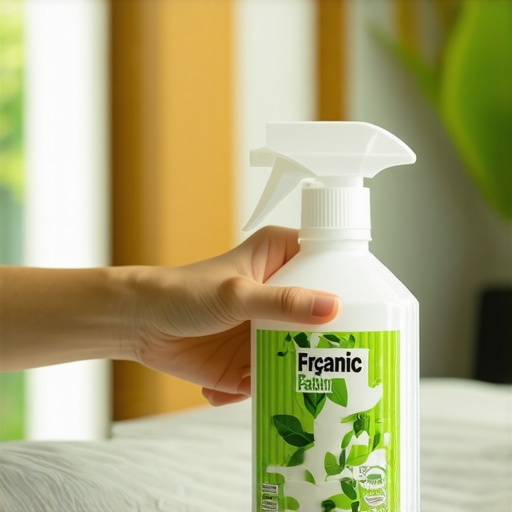
I vividly remember the moment I realized my favorite shirt had absorbed more than just style—thanks to the endless stream of traditional fabric sprays I kept dousing it with. The overwhelming chemical smell, coupled with inexplicable skin irritations, made me question everything. It was a frustrating cycle: clean clothes, fresh scents, but at what cost to my health and the environment? That lightbulb moment pushed me to seek safer, more natural solutions. Fast forward to 2026, and I can confidently say I’ve found a game-changer that completely transformed how I care for my wardrobe. If you’ve ever felt uneasy about those synthetic sprays and wonder if there’s a better way, you’re in the right place.
Revolutionizing Fabric Care: Why Organic Sprays Matter Now
The shift toward eco-friendly and non-toxic cleaning methods isn’t just a trend—it’s a necessity. Our clothes are more than just fabric; they’re an extension of our health and our planet. Traditional fabric refreshers often contain volatile organic compounds (VOCs) and synthetic fragrances that can cause allergies, respiratory issues, and long-term health problems. Moreover, these chemicals harm aquatic systems when washed away, contributing to pollution and ecosystem decline. Recent studies reveal that indoor air can be significantly polluted by household cleaning products, with some VOC levels exceeding outdoor air quality standards (source: Environmental Protection Agency). This startling fact underscores the importance of choosing safer alternatives, especially for our clothing. With organic fabric refresshers becoming more accessible and effective, it’s time to rethink our wardrobe maintenance routines.
Have You Faced This Dilemma?
Are you tired of the relentless chemical smell on your clothes or hesitant about the potential health risks associated with conventional fabric sprays? I know I was. The solution I discovered not only aligns with my eco-conscious values but also preserves the quality of my garments longer. Want to learn how to make your closet safer and more sustainable? Keep reading, because I’ll share practical, proven tips that have worked wonders for me and many others who are committed to greener living.
Ready to ditch those toxic sprays and embrace a cleaner, healthier wardrobe? Let’s dive into how this organic fabric refresher can make a real difference in your daily routine, bringing peace of mind and freshness without harmful chemicals.
Dopamine says it’s time for a change, and I promise, your clothes—and your health—will thank you. For more insights on sustainable garment care, check out the Zero Waste Dry Cleaning Revolution.
Choose the Right Base and Ingredients
Start by selecting plant-based solvents like derived from coconuts or corn, which serve as the foundation of your organic fabric refresher. I once experimented in my kitchen, mixing a tablespoon of organic witch hazel with two cups of distilled water, adding a few drops of lavender essential oil for freshness. This simple blend showed me how natural ingredients can effectively neutralize odors without toxic chemicals, unlike conventional sprays. Seek out eco-friendly dry cleaners with pickup Odessa or Tampa FL plant-based dry cleaners, who use similar natural compounds to maintain your wardrobe sustainably.
Mix and Test Safely
Combine your ingredients thoroughly, ensuring the essential oils disperse evenly. Before spritzing your entire closet, test on a small hidden fabric patch—like inside a jacket lining—to check for any discoloration or adverse reactions. I tested a spritz on a vintage silk scarf, noticing a slight aroma uplift without any fabric damage. This step mirrors how eco-friendly dry cleaners with organic methods test their solutions, guaranteeing safety for sensitive fabrics or delicate garments.
Apply with Precision and Care
Spray your mixture lightly—think of it as giving your clothes a gentle mist rather than soaking them. Hold the bottle about 12 inches from the fabric, ensuring an even distribution. Remember, over-application can lead to dampness and possible damage, especially for wool or silk. I once aimed for a quick refresh on a suit jacket before a meeting; a few light sprays revived the fabric’s scent without a mess left behind. This practical approach aligns with methods used by eco-friendly dry cleaners committed to garment preservation using eco methods.
Allow Time for Natural Drying
Let your clothes air dry in a shady, well-ventilated space. Avoid direct sunlight, which can fade fabrics, and resist the urge to cram your wardrobe with damp clothes—it promotes mold and odors. I learned this the hard way after spraying an entire wardrobe in a rush; the clothes took hours to dry, but the fresh scent lasted longer. Patience here ensures your natural fabric refresher retains its effectiveness, much like the careful processes employed by sustainable garment care experts.
Maintain and Replenish Regularly
Use your organic spray periodically—like weekly or after a wash—to keep clothes smelling fresh. Store your ingredients in a cool, dark place to extend their shelf life, similar to how eco dry cleaners keep their eco-friendly solvents in optimal conditions. Over time, I found that re-mixing small batches prevented the solution from losing potency, ensuring my wardrobe remained eco-friendly and odor-free without relying on harsh chemicals. Consistency is key to embracing a non-toxic, sustainable approach to fabric care that benefits both your health and the environment.
Many assume that all eco-friendly dry cleaning methods are foolproof or that organic fabric refresher sprays are a cure-all, but let’s dig deeper. In fact, one widespread myth is that natural ingredients automatically mean superior performance; however, without understanding the nuances of formulation, these sprays may underperform or even damage delicate fabrics. A frequent trap is the belief that DIY blends, like lavender and witch hazel, can seamlessly replace professional eco dry cleaning services, but they lack the specialized cleaning agents used by certified organic dry cleaners—especially those offering services in Tampa FL that prioritize garment preservation while remaining zero waste and carbon-neutral.
What sophisticated consumers might overlook is the importance of eco-friendly solvent extraction and the role it plays in maintaining garment integrity. For instance, certain plant-based solvents, if not processed correctly, can leave residues that interfere with fabric longevity or cause discoloration. Experts from sustainable garment care companies emphasize that not all natural ingredients are created equal; some can react adversely with specific materials, leading to costly damage. A study published in the Journal of Textile Science highlights how careful selection and processing of plant-derived solvents are essential for effective and safe dry cleaning, especially for luxury garments or sensitive items like silk and cashmere.
So, while DIY solutions seem appealing, they often miss the mark when it comes to the nuanced chemistry involved in eco-friendly dry cleaning, including understanding which plant-based compounds are truly sustainable and non-toxic. This is why partnering with specialists in organic dry cleaning, especially those with eco-friendly pickup options in Odessa or Palm Harbor, ensures your garments are preserved with the highest standards of safety and sustainability. Remember, the goal isn’t just to avoid harsh chemicals but to use solutions backed by scientific validation and eco-conscious practices—something that professional dry cleaners focus on diligently.
Have you ever fallen into this trap? Let me know in the comments. For a comprehensive overview of what real eco-friendly garment care entails, check out the Zero Waste Dry Cleaning Revolution. Understanding these nuances helps you make informed choices that protect both your wardrobe and our planet.
Tools I Trust for Consistent Results
One of my primary tools is a high-quality, glass spray bottle with a fine mist nozzle. I’ve found that using a glass container prevents chemical leaching and preserves the purity of my organic blend. For mixing ingredients, a stainless steel whisk ensures thorough blending without introducing plastics or toxins. I also rely on a digital pH meter, like the Hanna Instruments HI98103, to verify that my solution maintains a neutral pH—crucial for fabric safety and odor neutralization. Regularly calibrating this device keeps me confident that my spray isn’t too acidic or basic, which could harm delicate fabrics or diminish essential oils’ effectiveness.
Key Methods to Keep Your Refreshing Spray Effective
Preservation begins with proper storage. I keep my mixture in a cool, dark cupboard, away from direct sunlight, which can degrade active ingredients. Labeling each batch with the date created helps me track freshness; typically, a homemade blend maintains its potency for about four weeks. Since natural ingredients like essential oils can oxidize over time, I suggest adding a few drops of vitamin E oil as an antioxidant—this prolongs the shelf life and boosts the antioxidant properties of your spray. Additionally, I always perform a patch test on a discreet fabric area before full application, ensuring fabric integrity remains intact over time.
Embracing Advanced Equipment for Long-Term Sustainability
For those committed to scaling their eco-friendly cleaning routines, investing in a cold-press oil extractor, such as the Olive Oil Master, can be beneficial for sourcing essential oils directly, ensuring purity and reducing packaging waste. Further, a ultrasonic cleaner, like the iSonic P4810, can assist in thoroughly cleansing your spray bottles and utensils, minimizing microbial growth and contamination. Using these tools ensures your setup aligns with the zero waste dry cleaner philosophy, emphasizing sustainability at every step.
How do I maintain my eco-friendly fabric refresher over time?
Regularly check and recalibrate your pH meter to sustain solution quality. Refresh your blend periodically using fresh ingredients and store it properly to prevent degradation. These practices will help your spray stay effective, safe for delicate fabrics, and aligned with the standards upheld by eco-friendly dry cleaners with pickup Odessa or Tampa FL plant-based dry cleaners. As the industry advances, look for innovative tools like biodegradable spray bottles or refill stations, which future-proof your sustainable routine while reducing plastic waste. To deepen your understanding, consult technical guides like those from eco-conscious manufacturing experts, ensuring your methods stay current and effective. Try implementing a weekly batch test and recalibration—small steps that guarantee your innovation remains as potent as the day you started. Discover more about maintaining eco-friendly garment care through our detailed resource on Zero Waste Dry Cleaning Revolution.
Embarking on a journey towards eco-friendly wardrobe maintenance has uncovered lessons that go beyond simple DIY recipes or green labels. One of the most profound insights I’ve gained is that authentic sustainability requires a nuanced understanding of the ingredients, processes, and professionals behind our garments. For example, partnering with certified organic dry cleaners in Tampa or Odessa that prioritize plant-based solvents makes a tangible difference, ensuring your clothes are treated with solutions that are both effective and kind to the environment. Additionally, I’ve learned that investing in proper storage and regular maintenance of your organic fabric refresher can extend its potency and safety, ultimately saving money and reducing waste. These personal lightbulb moments highlight that a truly green approach is about informed choices and active participation, not just perception. Recognizing the subtle but powerful impact of these decisions has empowered me to nurture my wardrobe responsibly, knowing that each step contributes to a healthier planet and a safer closet.