
It was a typical Saturday morning when I opened my laundry room closet and realized, with a sinking feeling, that our delicate cashmere sweater had come back from the dry cleaner with a tiny, almost invisible stain. I’ve always trusted our local dry cleaner, but that moment made me question everything. Suddenly, I remembered the countless articles I’d read about harmful chemicals lurking in traditional dry cleaning, especially PERC — perchloroethylene — a solvent linked to health risks like respiratory issues and even cancer (source: [EPA](https://www.epa.gov/’)). That was my lightbulb moment. If I was going to protect my family, I had to find a safer, more natural alternative. Now, in 2026, I want to share why many Palm Harbor moms, just like me, are switching to eco-friendly, baby-safe dry cleaning services, and how you can make the shift too.
Why Are So Many Moms Making the Switch to Baby-Safe Dry Cleaning?
For years, we’ve depended on traditional dry cleaners to keep our clothes pristine. But as awareness of chemical exposure grew, so did concern about what those residues could do to our little ones. Especially here in Palm Harbor, where many of us are parents or expecting, the desire for safer cleaning options became urgent. The problem? Many conventional cleaners still use toxic PERC and other questionable solvents that can linger on fabrics, potentially causing allergies, skin sensitivities, or more serious health issues over time. Plus, with babies’ skin being incredibly delicate, exposing them to even trace amounts of chemicals feels like playing Russian roulette. I remember seeing the tiny bumps on my baby’s skin and wondering if I could do better. That led me to explore eco-friendly alternatives, discovering options like organic stain removal and plant-based cleaning methods that are far gentler and healthier for our homes. But making this switch didn’t happen overnight. I made my share of mistakes early on — trusting generic green labels, for instance, only to find out they weren’t as eco-friendly as they claimed. That’s why I want to help you avoid those pitfalls and present clear, actionable steps toward safer garment care for your family.
Start by Researching Local Eco-Friendly Dry Cleaners in Palm Harbor
Visit websites like https://ecodrycleaningflorida.online/eco-dry-cleaning-near-me-safe-perc-free-plant-based-care-6 to find certified facilities offering non-toxic, plant-based solvents. Call ahead to confirm they use green detergents and avoid PERC. Once you identify a trusted cleaner, prioritize those that specialize in delicate fabrics and couture pieces, ensuring your garments get gentle yet effective cleaning.
Check Labels and Ask the Right Questions
Inspect your clothing tags for care instructions that specify eco-friendly cleaning or hand wash. When dropping off garments, ask: “Do you use chemical-free stain treatments and plant-based solvents?” or “Are your detergents hypoallergenic and free from toxins?” This ensures your clothes won’t be exposed to harmful chemicals, especially for sensitive skins or babies. Many Palm Harbor families are choosing cleaners that detail their commitment at https://ecodrycleaningflorida.online/non-toxic-dry-cleaners-choosing-healthier-options.
Learn Organic Stain Removal Techniques for Delicate Fabrics
Prepare your own non-toxic stain treatments for minor spots. Use a mix of organic vinegar and cold water for fresh stains or try a paste of baking soda and water for stubborn marks. I once saved a delicate cashmere sweater from a coffee spill by gently applying a custom stain remover made at home—that mess was cleaned without any harsh chemicals, preserving the fabric’s softness. For intensive cleaning needs, trust eco-friendly dry cleaners that specialize in organic stain removal, like those listed at https://ecodrycleaningflorida.online/organic-stain-removal-techniques-for-delicate-fabrics.
Choose Detergents That Emphasize Sustainability and Safety
Opt for green dry cleaning detergents made from plant-based solvents that are biodegradable and free from TCE, formaldehyde, and other toxins. You can ask your dry cleaner if they use products highlighted at https://ecodrycleaningflorida.online/eco-friendly-dry-cleaning-a-safe-choice-for-babies-clothes or look for labels indicating zero-waste, hypoallergenic formulas. I remember switching to a plant-based cleaner and noticing how much softer my clothing felt afterward—no residual chemical smell, just that fresh, clean scent of nature.
Implement Proper Handling for Special Garments
Cashmere, silk, and couture clothing require extra care. Dry clean these items with specialists who use chemical-free methods, such as hydrocarbon or silicone-based solvents. Avoid aggressive mixing or over-cleaning, which can damage delicate fibers. I once sent a silk dress to an eco-friendly cleaner in Palm Harbor, and it returned looking vibrant without the stiff chemical smell typical of traditional cleaning. For luxe items, check options at https://ecodrycleaningflorida.online/earth-friendly-dry-cleaner-sustainable-gentle-garment-preservation.
Ask About Eco-Conscious Pickup and Delivery Options
Many Palm Harbor services now offer sustainable garment care pickups right at your home, reducing your carbon footprint. Look for companies offering organic-laundry delivery or zero-waste services, like https://ecodrycleaningflorida.online/zero-waste-dry-cleaning-revolutionizing-fabric-care, which ensure your clothes stay eco-friendly from the closet to the cleaner and back. This not only saves time but also guarantees you’re reducing environmental impact without sacrificing garment quality.Many assume that switching to non-toxic, PERC-free dry cleaning, especially for couture or delicate fabrics like cashmere, is a straightforward swap. However, there are subtle pitfalls and complex nuances that even seasoned eco-conscious consumers often overlook. For instance, a common myth is that all green detergents and plant-based solvents are equally safe and effective. In reality, the cleaning efficacy can vary significantly, and some products may not be suitable for specific fabrics or stains. It’s crucial to understand that not all “eco-friendly” labels are created equal; some cleaners might still use preserving chemicals or less-than-transparent processes, which can compromise garment quality and safety.
What Advanced Factors Should You Consider Beyond Labels and Promises?
For the discerning eye, the key factors include the solvent’s chemical profile, the cleaning process’s environmental impact, and compatibility with delicate fabrics. Consulting detailed certifications or lab analyses, like those indicating the absence of volatile organic compounds (VOCs) or persistent residues, can help differentiate truly safe options from mere marketing claims. Interestingly, a study published in the Journal of Cleaner Production emphasizes that true eco-friendly cleaning must account for lifecycle impacts—ranging from solvent production to disposal—highlighting that some so-called green solutions may inadvertently carry hidden environmental costs if not properly vetted. This is why opting for trusted providers that specialize in organic stain removal and delicate-specific care can save you from potential damage or health risks. Avoid the trap of assuming that all eco solutions are universally suitable; each garment type and stain requires tailored, well-informed approaches. For instance, cashmere benefits from dry cleaners that use gentle, chemical-free methods to preserve its fiber strength and softness. Always ask, “Does this cleaner have verifiable credentials and transparent practices?” before trusting their claims. To navigate this complex space confidently, visit dedicated resources like those listed at https://ecodrycleaningflorida.online/organic-stain-removal-techniques-for-delicate-fabrics and https://ecodrycleaningflorida.online/eco-dry-cleaning-near-me-safe-perc-free-plant-based-care-6. Now, tell me—have you ever fallen into this trap of trusting vague green labels? Let me know in the comments.Maintaining your clothes’ freshness and integrity between professional cleanings is crucial, especially when committed to non-toxic, eco-friendly methods. One indispensable tool I personally rely on is a **portable garment steamer**. Unlike traditional irons, it offers a gentle way to refresh delicate fabrics like silk or cashmere without risking fiber damage, and it minimizes water usage—perfect for sustainable routines. I use a **handheld ultrasonic sanitizer** as well, which effectively eliminates bacteria and odors using cavitation technology, ensuring my garments are not only clean but also hygienic without chemicals. Additionally, a **natural fabric brush** helps remove surface dirt and pet hair, prolonging garment life and reducing wash frequency.
How do I maintain these tools over time?** Regularly cleaning your ultrasonic device and garment steamer with eco-safe solutions ensures optimal performance and longevity. Using natural, plant-based disinfectants prevents residue buildup that can compromise their effectiveness. Keep brushes clean and dry to avoid mold, and replace filters as recommended by the manufacturer. As I look ahead, I predict that smart cleaning gadgets, integrated with sensors to monitor fabric condition, will become mainstream, making maintenance even easier and more precise. Investing in durable, eco-friendly equipment now is a smart step to sustain your commitment to safe, chemical-free garment care.
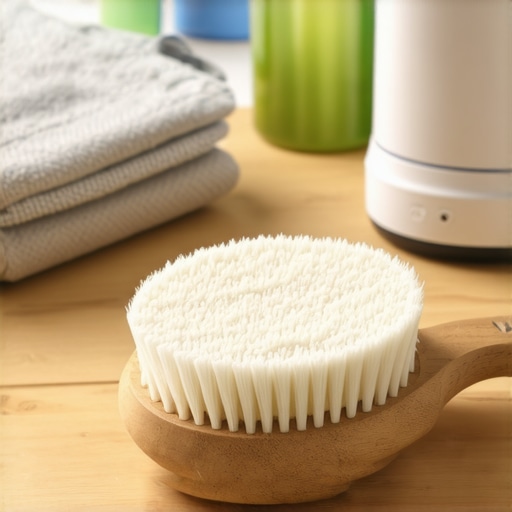
These tools demystify the maintenance routine, making it easier to uphold your dedication to green practices. For trusted options, explore companies specializing in eco-friendly cleaning tech, and visit https://ecodrycleaningflorida.online/eco-dry-cleaning-near-me-safe-perc-free-plant-based-care-6 for more insights. Remember, a well-maintained toolkit ensures your garments stay beautiful and safe for years to come. Try incorporating a natural fabric brush today and experience the difference—your clothes will thank you!
Throughout this journey into eco-friendly, non-toxic dry cleaning, I’ve learned that the most impactful lessons often come from personal experience. One standout revelation was the importance of trusting certified, transparent providers over superficial green labels. I once aimed for a quick fix with a seemingly eco-friendly dry cleaner, only to discover hidden chemicals lurking beneath their promises. This taught me to prioritize certifications and ask detailed questions about their solvent profiles and processes. Additionally, I realized that investing in quality home tools like a natural fabric brush and a gentle steamer not only preserves garments longer but also aligns perfectly with my commitment to a toxin-free lifestyle. Another insight was understanding that delicate fabrics demand specific eco-conscious techniques—moment that transformed my approach from generic cleaning to tailored, mindful care. These lessons have empowered me to make brave choices that safeguard my family’s health and our environment, inspiring confidence in each garment’s journey from closet to cleaning and back.