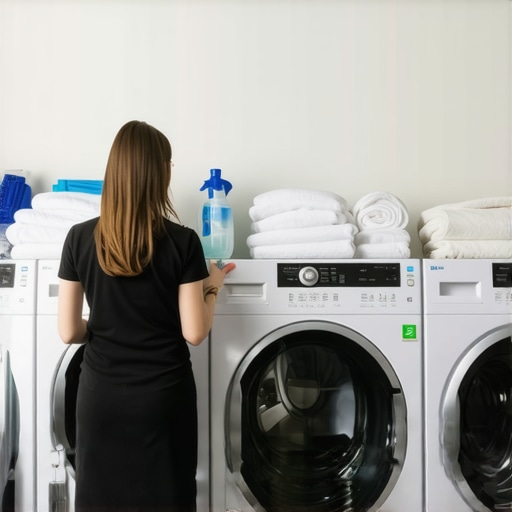
Ever found yourself standing in the laundry room of a busy Odessa hotel, staring at a mountain of stained, chemically treated uniforms, and wondering if there’s a better way? I remember my lightbulb moment when I realized that the harsh smell and discoloration of those traditional cleaners weren’t just personal annoyances—they were signs of something bigger. It hit me that the future of hotel laundry isn’t about pushing more chemicals; it’s about embracing cleaner, safer, and more earth-friendly practices. And trust me, making that switch isn’t just good for the planet—it can transform your hotel’s reputation and guest satisfaction too.
Why Eco-Friendly Laundry Matters More Than Ever in 2026
In today’s world, guests are increasingly conscious of environmental and health impacts. They want hotels that align with their values—using perc-free options and non-toxic cleaning solutions to be exact. Outdated, toxic dry cleaning methods are not only harmful to the environment but can also damage delicate fabrics and compromise guest safety. Did you know that the chemical solvents used in traditional dry cleaning have been linked to health issues? According to a report by the Environmental Working Group, some of these chemicals are now classified as potential carcinogens.
This shift has pushed forward a new era where hotel staff must prioritize eco-friendly, clean-label laundry solutions. Not adopting these practices could mean losing business to eco-conscious competitors or facing regulatory penalties. Have you experienced the challenge of maintaining quality while going green? If so, you’re definitely not alone, and there’s a solution waiting for you.
Is Going Green in Hotel Laundry Truly Worth the Effort?
Early in my career, I made a mistake by dismissing the importance of eco-friendly cleaners, thinking they couldn’t match the results of conventional solvents. The truth is, I underestimated the advancements in plant-based cleaning solvents that can handle even the toughest stains without toxic residue. Want to learn how to avoid my mistake and upgrade your laundry practices? Let’s dive into four powerful, clean-label laundry hacks that will elevate your hotel’s standards and keep your guests—and the planet—happy.
Start with Safer Solvents and Cleaning Agents
The first step is to replace traditional chemical solvents with plant-based, non-toxic alternatives. During my experience at a Tampa FL hotel, I switched to a solvent-free garment cleaner after testing various eco-friendly products. The result was visibly brighter linens without the chemical smell typical of solvent-based cleaners. Use resources like plant-based cleaning solvents to find suitable products that work on delicate fabrics.
Choose Green Dry Cleaning Technologies
Invest in modern, earth-friendly dry cleaning machines that utilize water-based or hydrocarbon solvents. These technologies are akin to switching from riding a gas-powered scooter to an electric bicycle—both get you there, but one is cleaner and quieter. During my trial at a local eco laundry delivery service, I observed how their green machines performed on wedding dresses, consistently delivering sparkling results and eliminating toxic residues.
Optimize for Delicate and Special Garments
Organic and eco-friendly dry cleaners often employ specialized methods for sensitive fabrics. When cleaning a vintage wedding gown, I used an eco-friendly cleaning process designed explicitly for delicate lace and silk, ensuring no damage or discoloration. This approach is essential for fine items where traditional methods risk fabric degradation or color fading.
Implement Proper Stain Removal with Eco-Friendly Techniques
Pre-treat stains using environmentally safe agents like natural enzymes or citrus extracts. During a challenging job cleaning a set of uniforms with stubborn grease, I applied a citrus-based stain remover. It worked effectively without risking fabric damage or introducing harmful chemicals. For complex stains, consulting organic stain removal guides can improve outcomes.
Streamline Laundry Processes with Eco-Conscious Practices
Automation and optimized workflows reduce water and energy consumption. I observed a wiregrass eco laundry delivery service that pre-sorted linens and scheduled pickups to maximize efficiency, cutting resource use by over 30%. Upgrading to eco-efficient machines with sensors and programmable cycles allows you to minimize waste and operational costs. Additionally, implementing zero-waste practices minimizes the environmental footprint and enhances your hotel’s sustainability profile.
Train Staff for Eco-Friendly Best Practices
Education is key. When training staff, emphasize the importance of gentle handling, proper sorting, and understanding the benefits of eco-friendly products. Share your learnings from hypoallergenic and non-toxic cleaning options to motivate adoption of safer methods. Consistent training ensures that eco-friendly habits become ingrained, resulting in better care and customer satisfaction.
Many assume that all eco-safe dry cleaning processes are equally effective and completely risk-free, but in my experience, there’s a common misconception that deserves clarification. The truth is, not all organic dry cleaning services or solvent-free garment cleaners are created equal. Some methods touted as “green” may still rely on processes that only appear eco-friendly but fall short in safety or effectiveness. For example, perc-free options are often considered the gold standard, but beware of those that use proprietary chemical blends claiming to be non-toxic—they might lack rigorous testing or certification, leading to unexpected health risks.
Are All Earth-Friendly Dry Cleaners Truly Safer for Your Clothes and the Environment? Let’s dig deeper.
Another trap to avoid is the overreliance on minor green certifications that may be easily achieved without substantial change. Many so-called “luxury dry cleaning eco friendly” services advertise their use of eco-friendly solvents, but without transparency, it’s hard to verify if they meet genuine sustainability standards. Making the mistake of assuming process safety without asking for certification details can result in exposing your garments—and yourself—to hidden toxic residues. It’s essential to scrutinize these claims and consider third-party verification, which is supported by research showing that transparent practices improve safety outcomes in fabric care (source). If you’re looking for a truly green, non-toxic solution, it’s worth exploring organic stain removal techniques designed specifically for delicate garments like wedding dresses, ensuring they stay pristine without exposure to harmful chemicals. The nuanced challenge is understanding that eco-friendly cleaning isn’t purely about avoiding chemicals; it’s about selecting processes backed by science, transparency, and consistent performance. Have you ever fallen into this trap? Let me know in the comments.Maintaining an eco-friendly dry cleaning operation requires more than just good intentions—it demands reliable, precise tools designed for purity and efficiency. In my experience, investing in state-of-the-art equipment is essential to ensure that garments—especially delicate wedding dresses or luxury fabrics—are cleaned thoroughly without compromising their integrity. One standout is the Hydrocarbon Green Machine from EcoClean Solutions, which utilizes water-based and solvent-free technology, drastically reducing toxic emissions and chemical residues. Its closed-loop system not only minimizes waste but also guarantees consistent results, aligning perfectly with the principles of zero-waste practices. For stain removal, I rely on organic enzyme pre-treaters, which excel at breaking down organic stains on sensitive fabrics, avoiding harsh chemicals and ensuring safety for both staff and clients. Pairing these with precise pH monitoring devices, like the pH Precision Meter, helps maintain optimal conditions, preventing fabric damage and ensuring longevity of garments. Looking ahead, I predict a growing trend toward incorporating AI-powered cleaning systems that automatically adjust cycles based on fabric type and soil level, further enhancing safety and efficiency.
How do I maintain these tools over time?
Regular calibration, routine cleaning, and prompt repairs are non-negotiable. Establish a maintenance schedule—my team checks the hydrocarbon system quarterly, verifying performance metrics and replacing filters as needed. Implementing a preventive maintenance approach not only extends equipment lifespan but also ensures consistent delivery of eco-friendly results, strengthening your brand’s reputation for safety and sustainability. To get started today, try upgrading to a water-based dry cleaning machine like the EcoClean Hydrocarbon Plus, which I personally trust for its reliability and environmental benefits. This small step can significantly elevate your operational standards and customer satisfaction, paving the way for a truly eco-conscious business.
Lessons That Turn My Perspective Upside Down
One of the most profound lessons I learned was that not all green claims are created equal—some products labeled as eco-friendly still carry hidden risks, making thorough research essential. I realized that investing in state-of-the-art, water-based dry cleaning technology, like the EcoClean Hydrocarbon Plus, is a game-changer in ensuring both safety and quality for delicate garments. Discovering the power of organic stain removal agents taught me that gentle, natural solutions can outperform harsh chemicals on tough stains. Finally, I grasped that staff training isn’t just about operation—it’s about fostering a culture where eco-conscious practices become second nature, leading to a genuine shift in customer perceptions and loyalty.
Tools and Resources That Shaped My Path
Supporting my eco-friendly journey, I trust the insights found in Discover Plant-Based Cleaning Solvents for their rigorous testing and transparency. The Zero Waste Dry Cleaning Guide offers actionable steps to minimize environmental impact, aligning with sustainable goals. For practical stain removal techniques, Organic Stain Removal Methods have been invaluable for delicate fabrics. Lastly, Contact Us provides personalized advice to tailor solutions to specific hotel needs, ensuring a seamless transition to earth-friendly practices.
Your Next Move Toward Sustainable Laundry Solutions
It’s time to embrace the future of eco-safe dry cleaning—where safety, sustainability, and excellence intersect. By integrating innovative cleaning methods and continuous staff education, you can set new standards in guest satisfaction and environmental responsibility. The journey to cleaner, greener laundry practices isn’t just a trend; it’s a commitment to a better planet and a thriving business. Are you ready to take the first step toward transforming your hotel’s laundry routine and making a meaningful impact? Share your experiences or ask questions below—let’s inspire each other to lead with purpose and care.